


Cleaner
We recognise our responsibility to protect the planet and are committed to minimising the impact we have on the environment. Through AMIEO Sustainability 2030, we are tackling global sustainability challenges through innovative local action.

Carbon Neutrality
Spearheading the company's global carbon neutrality commitments, aiming to achieve the target ahead of 2050.
Electrifying society beyond EVs
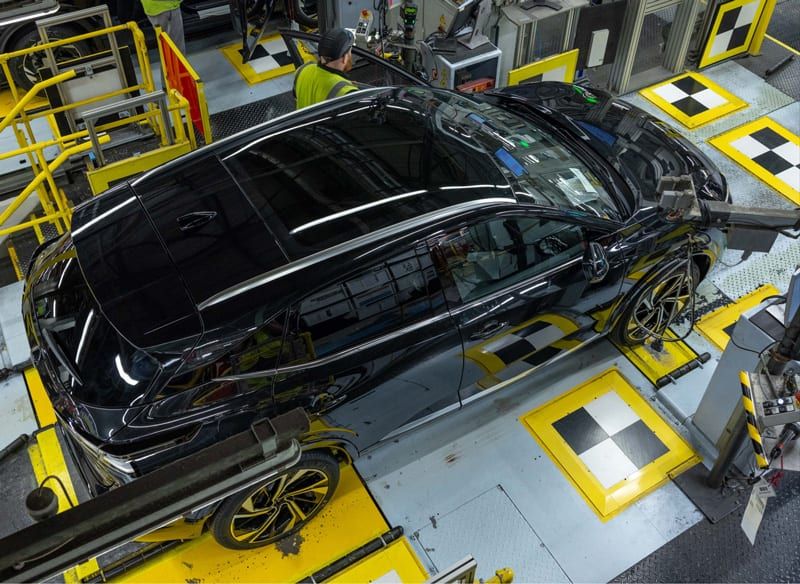
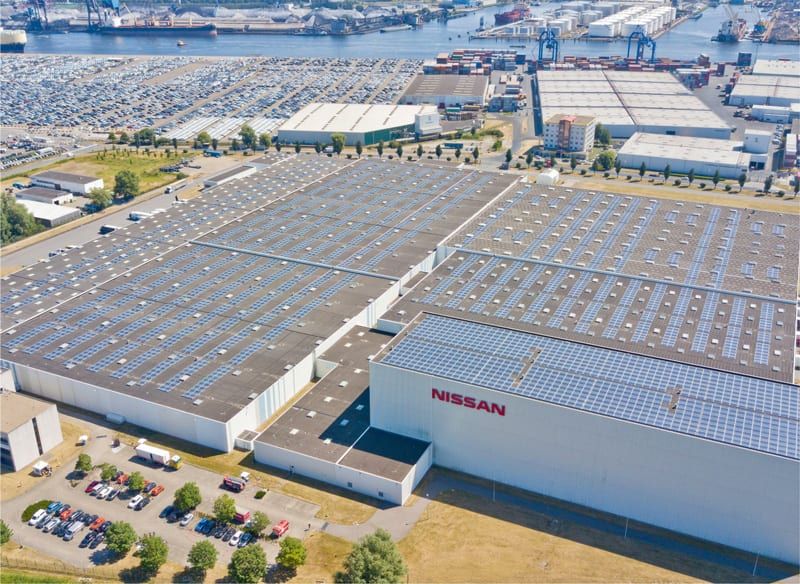
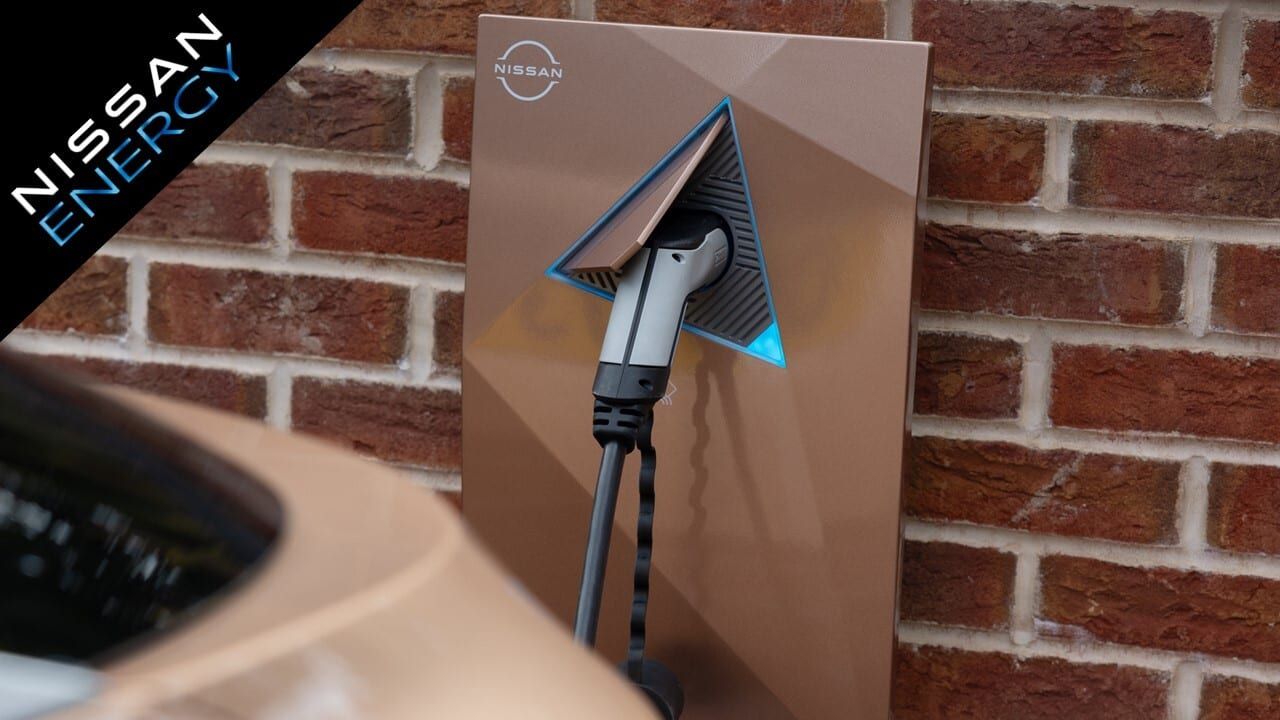
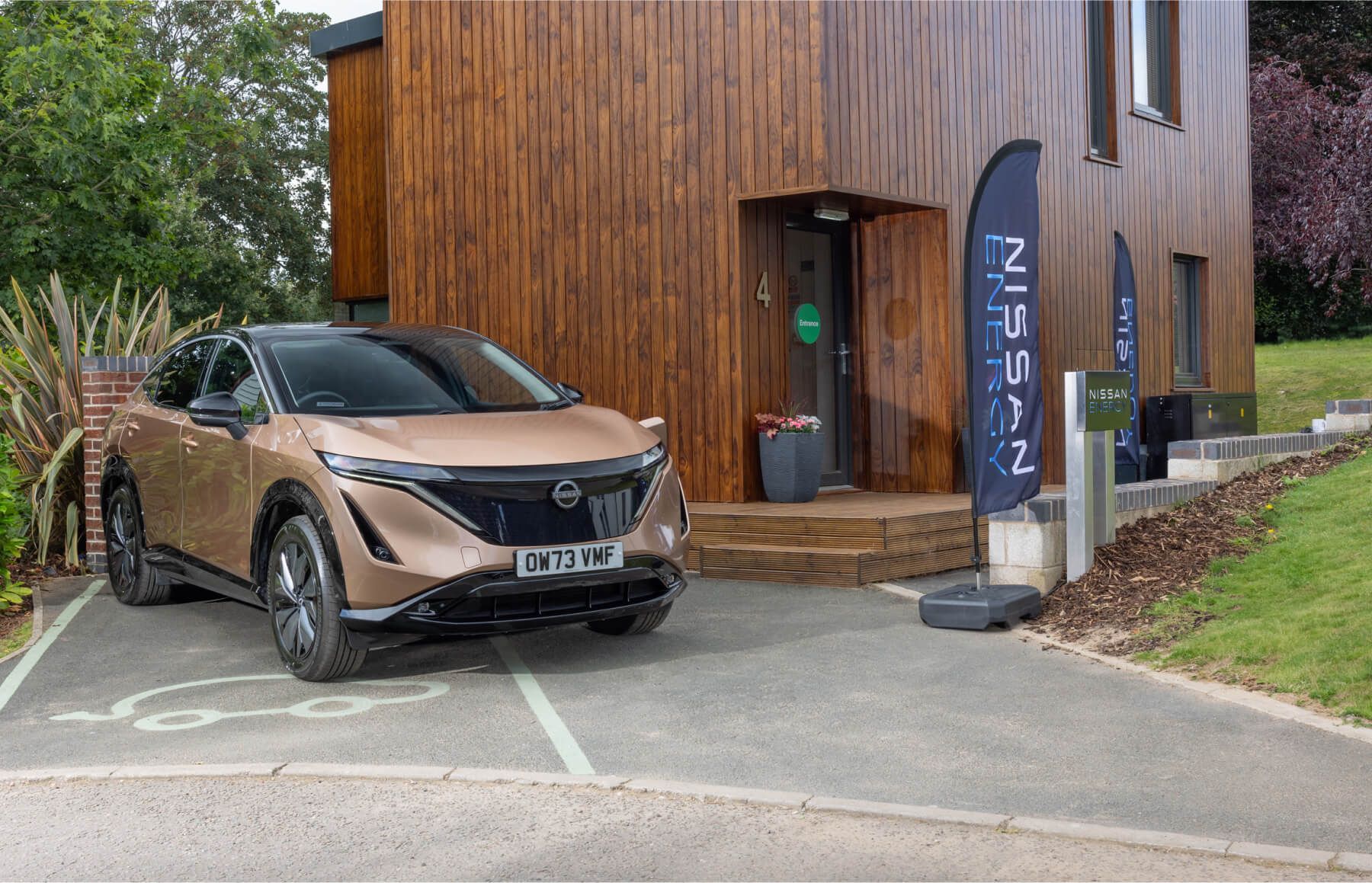
As the pioneer of electrification, Nissan continues to champion sustainability though our sustainable energy solutions. By extending the lifecycle of our batteries, we embrace a true circular economy, reducing environmental impact and preserving natural resources. Nissan will also launch affordable on-board bi-directional charging on selected electric vehicles from 2026. Vehicle to Grid (V2G) technology allows EV owners to use electricity stored in their car's battery to power their homes, or sell it back into the grid.
Find out more here
Resource Responsibly
Establish an innovative circular model in the region and promote the use of sustainable materials.
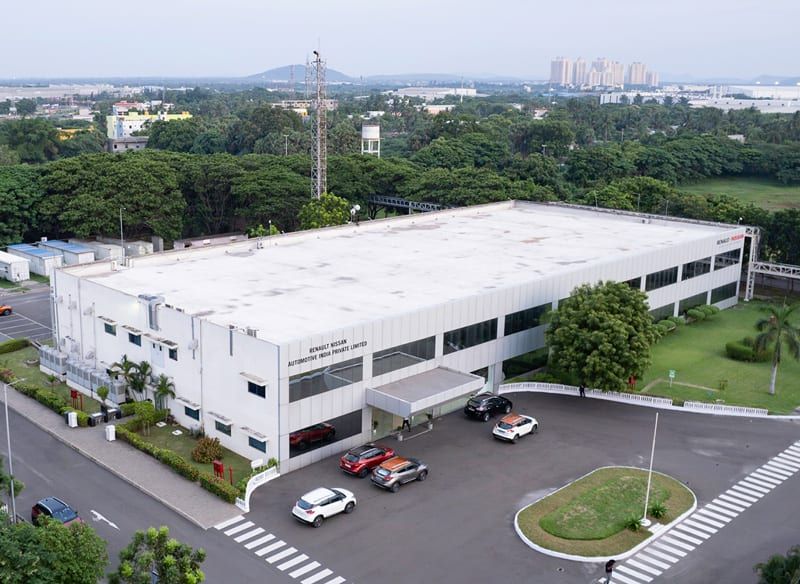

Responsible water usage
Responsible water usage is a priority for every entity in the region.
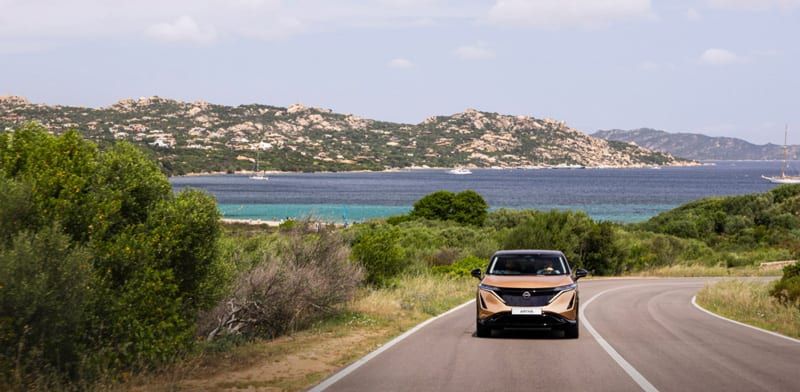
We are committed to enhancing water consumption and conservation practices and Nissan entities across AMIEO are working to minimise water use and manage wastewater quality to reduce risk.

Clean Air
Striving to deliver a cleaner and healthier environment for everyone.
Electrifying the Supply Chain
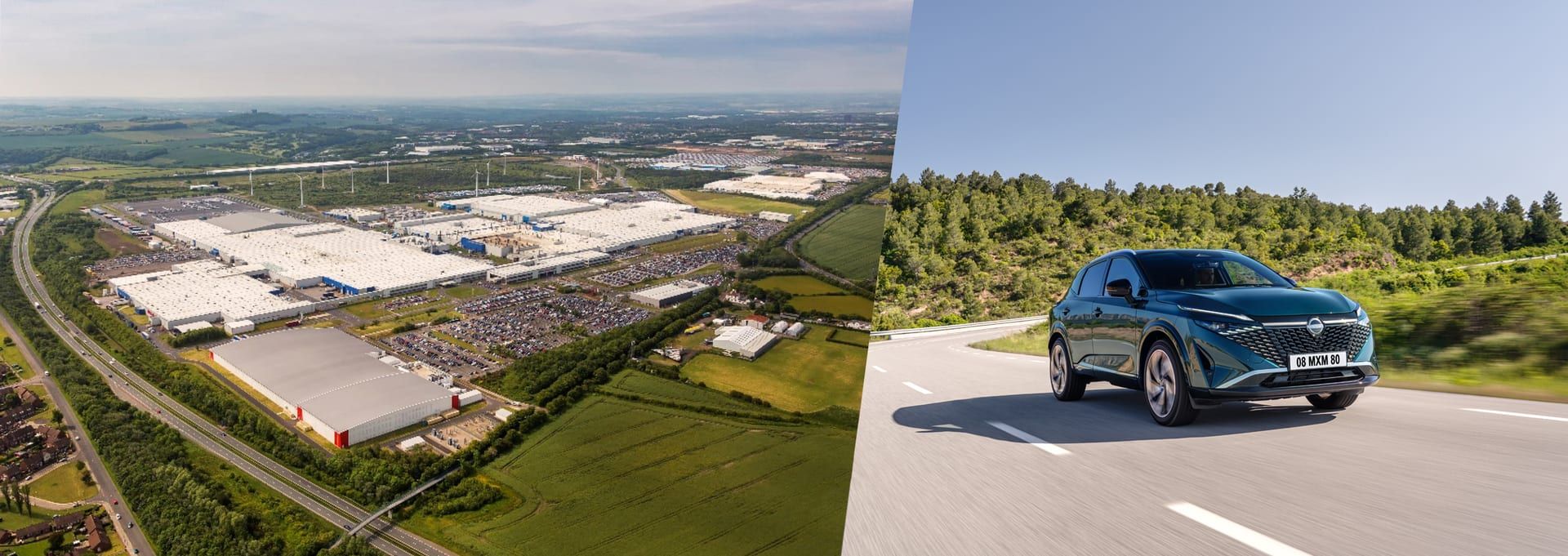
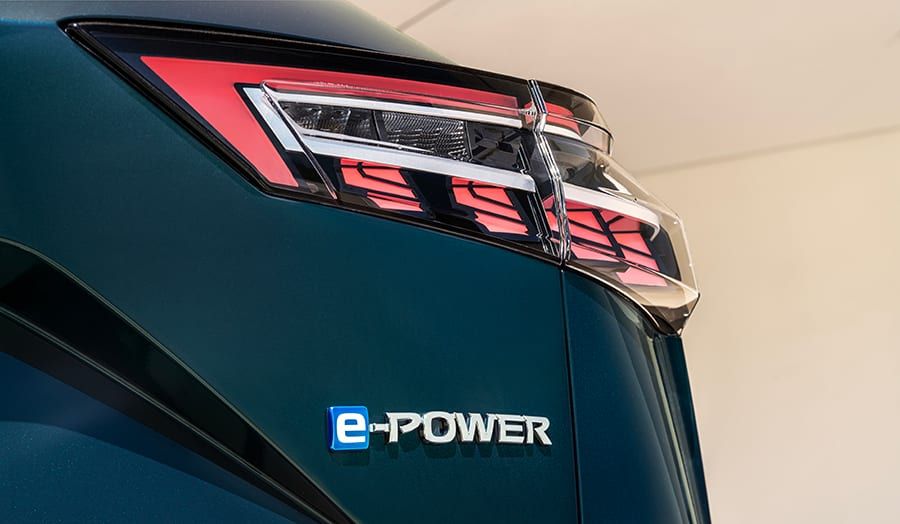
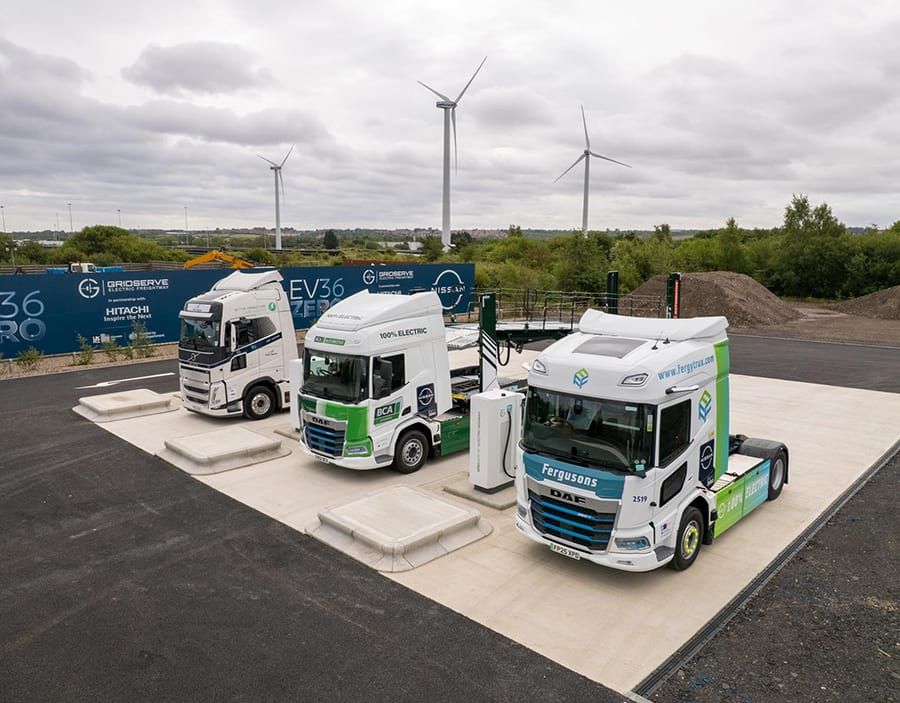
Bringing together a wealth of partners, Nissan Sunderland Plant has joined the Electric Freightway consortium to work together to transform sustainable freight logistics through deployment of eHGVs and high-power charging infrastructure. This initiative, the first of its kind in the UK, allows for the development of an electric, end-to-end supply chain - marking a major milestone in our EV36Zero vision to transform the plant into a flagship EV hub.
Click here to learn moreRelated Stories
-
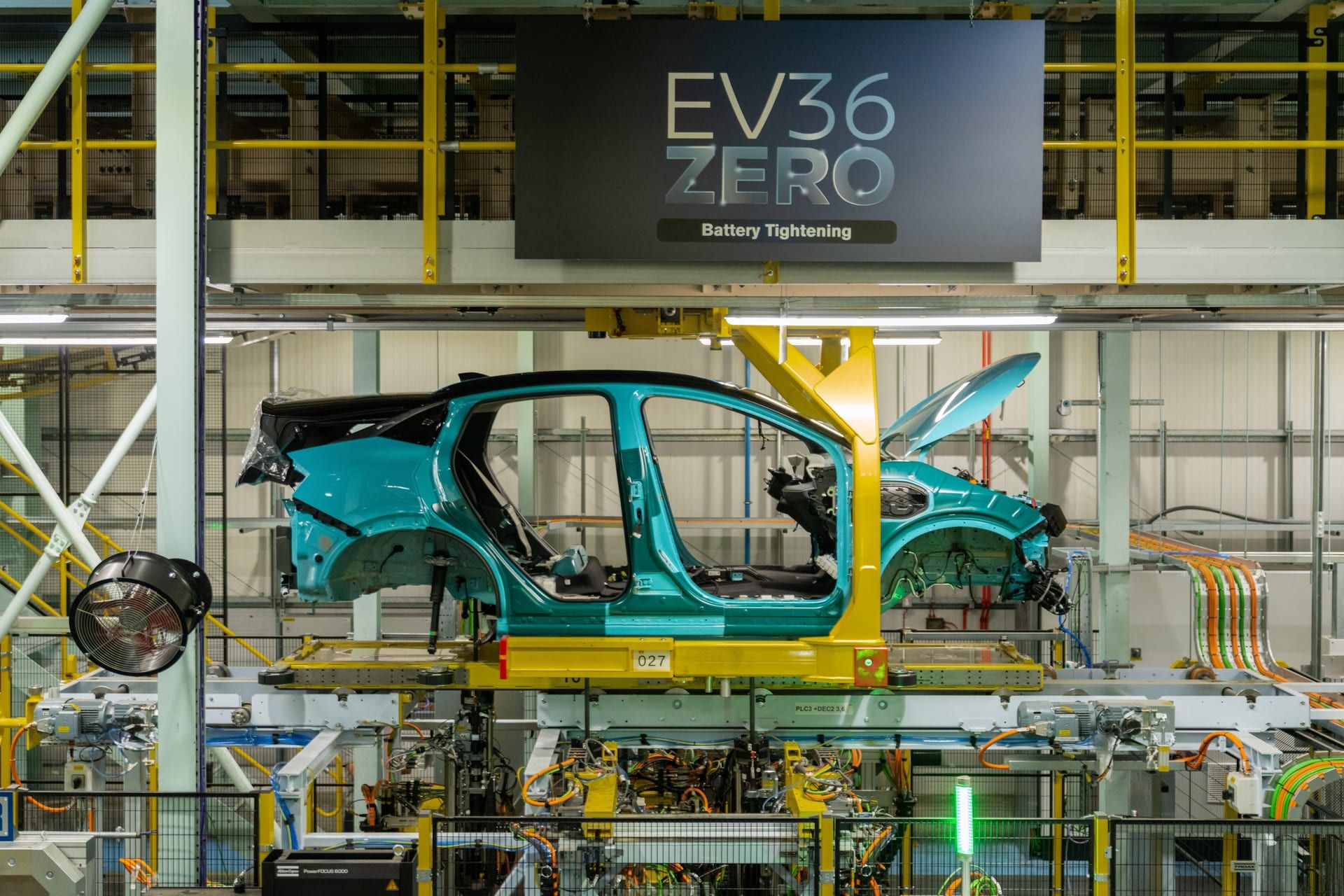
 Next generation Nissan LEAF brings EV36Zero vision to life at Sunderland Plant Click here to learn more
The third generation Nissan LEAF is gliding silently off a transformed Sunderland Plant production line as the company brings to life its world first EV36Zero plan.
-
 Redefining Roadtrips: Qashqai with new e-POWER's 1,500km Trailblazing Trip from John O'Groats to Land's End Click here to learn more
From the wild northern edge of Scotland to the rugged tip of Cornwall, the Nissan Qashqai with new e-POWER embarked on an extraordinary adventure: a coast-to-coast journey spanning over 1,500km of winding roads, rolling hills, castles and stunning landscapes.
-
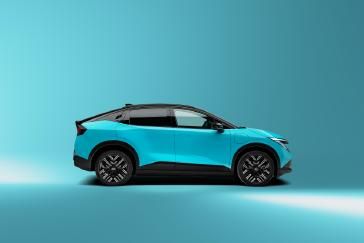 An icon reimagined: The Nissan LEAF returns Click here to learn more
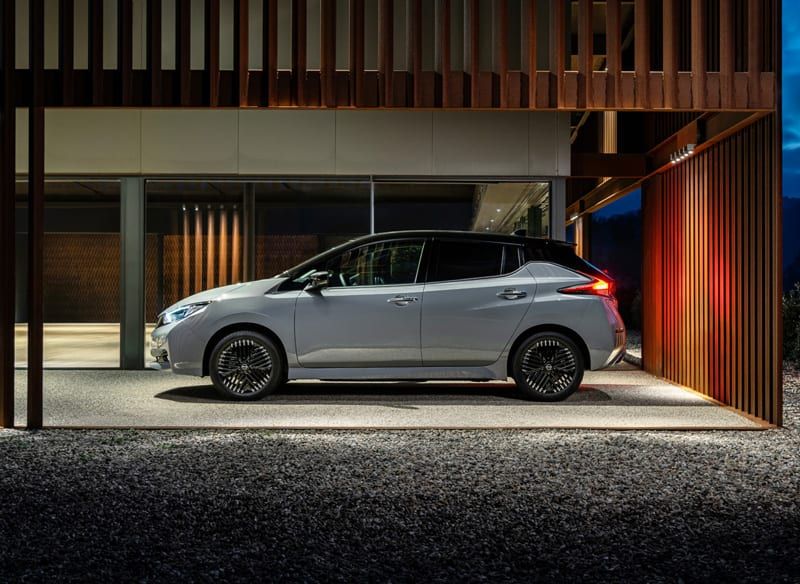
The all-new Nissan LEAF delivers a fully connected mobility experience and signifies the next step in our EV journey, building on its legacy as the pioneer of electrification.
-
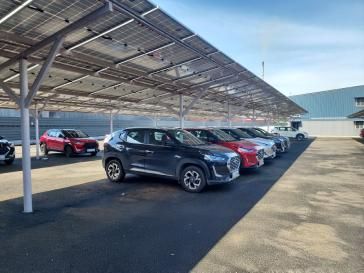 Nissan Motor India Champions Sustainability on World Environment Day Click here to learn more
Our team in India launched a series of sustainable initiatives, focused on reducing environmental impact and resouce consumption to protect the world for future generations.
-
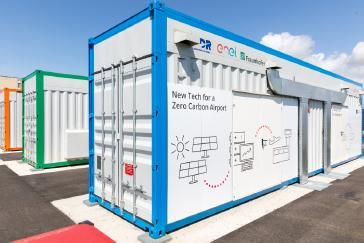 Nissan LEAF Batteries start their second life with Pioneer at Italy’s largest airport Click here to learn more
Supporting Aeroporto di Roma Fiumicino’s net-zero goals through seconf-life battery storage, Nissan delivers clean energy at scale through through 84 reconditioned Nissan LEAF batteries.
-
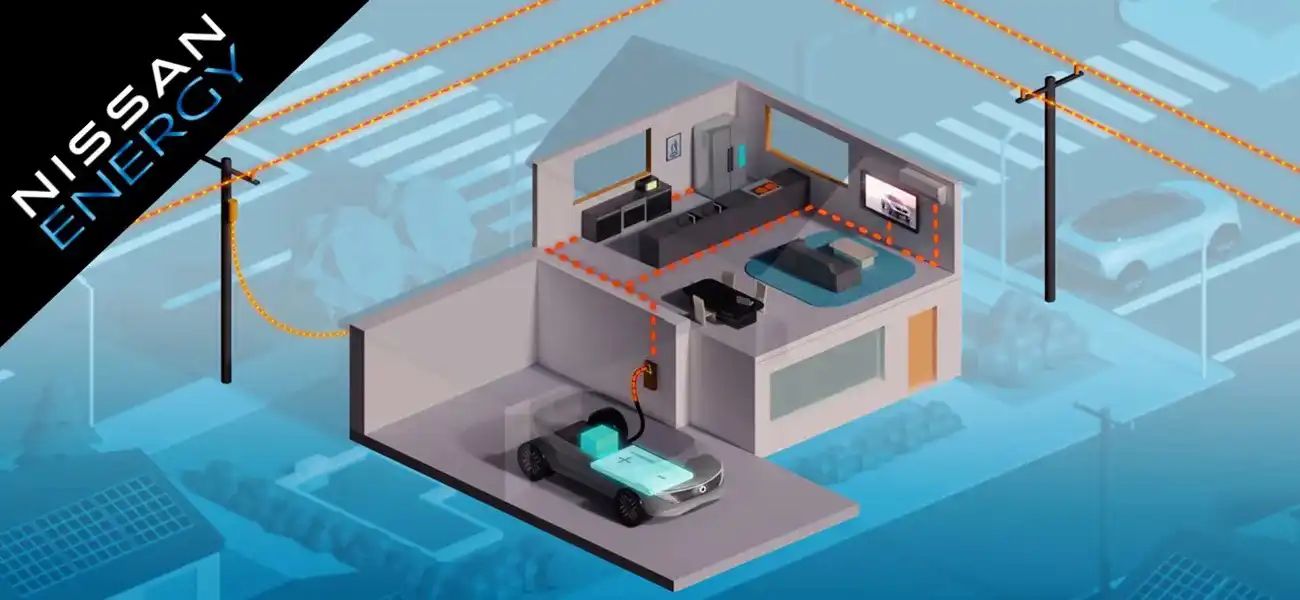 Save More, Power Smarter: How Your EV Can Fuel Your Home and Wallet Click here to learn more
Our Vehicle-to-Grid (V2G) technology allows customers EV to store and release energy when needed - transforming the way they use and manage energy with savings, a reduced carbon footprint, and more control over their energy use.
-
 Reducing CO2 across Operations in the Middle East Click here to learn more
In Dubai, we’ve introduced a new solar energy system at our regional headquarters, providing 30% of power needed for our operations in the Jebel Ali area.
-
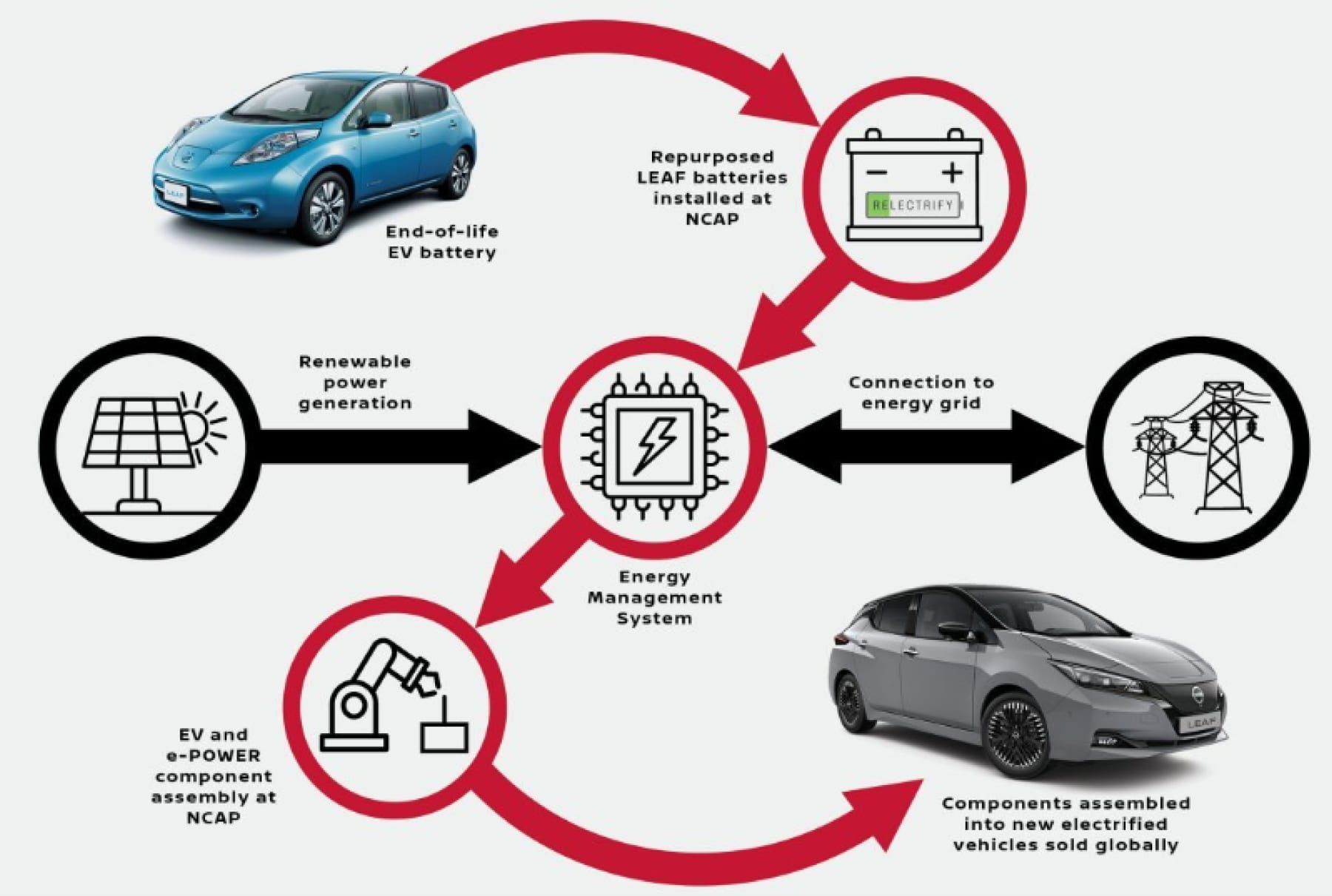 End-of-life vehicle batteries power EV component manufacturing in Australia Click here to learn more
Our circular model project at Nissan Casting Australia Plant (NCAP) uses recycled LEAF batteries to power part of our production facility.
