

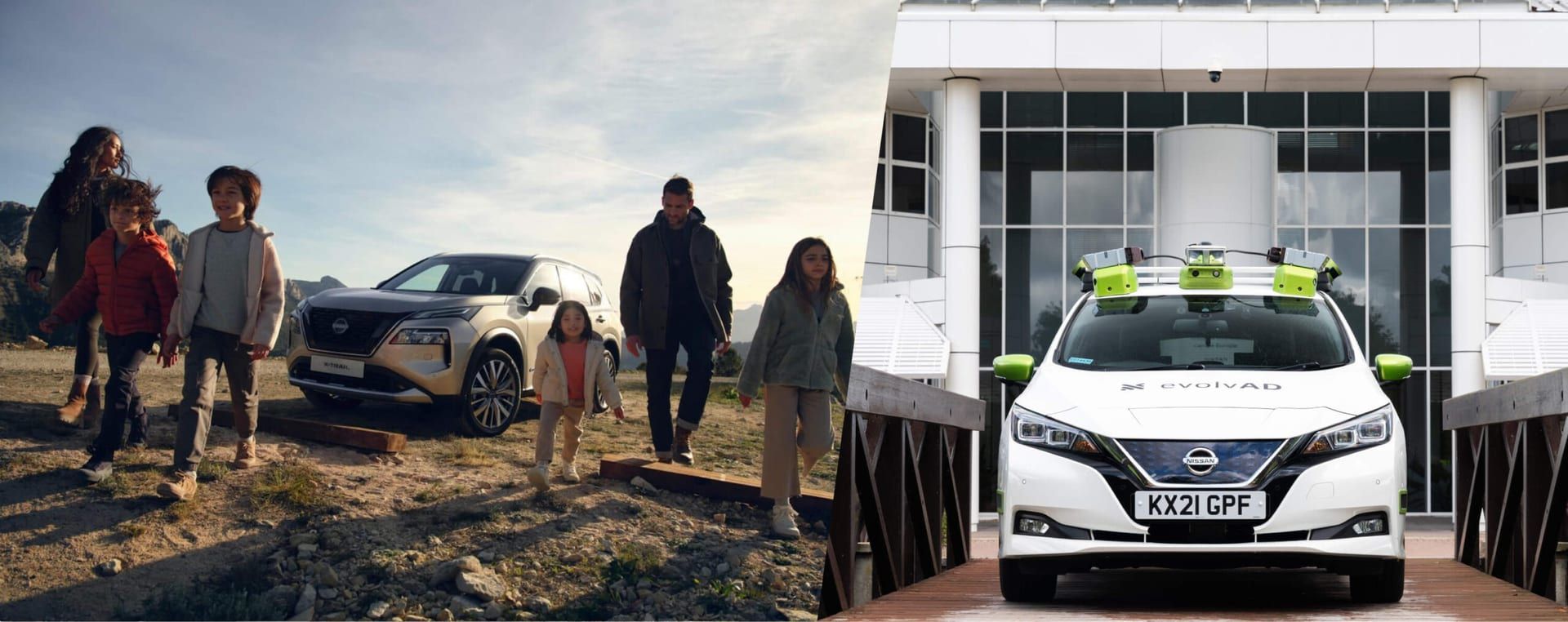

Safer and More Inclusive
We have a responsibility to the people, customers and communities we serve and aim to maximise the value we provide to society for generations to come. Through AMIEO Sustainability 2030, we are tackling global sustainability challenges through innovative local action.

Communities
Using our knowledge and resources to benefit communities, we're focusing on skills, accessible mobility and energy solutions and partnerships to address local needs.
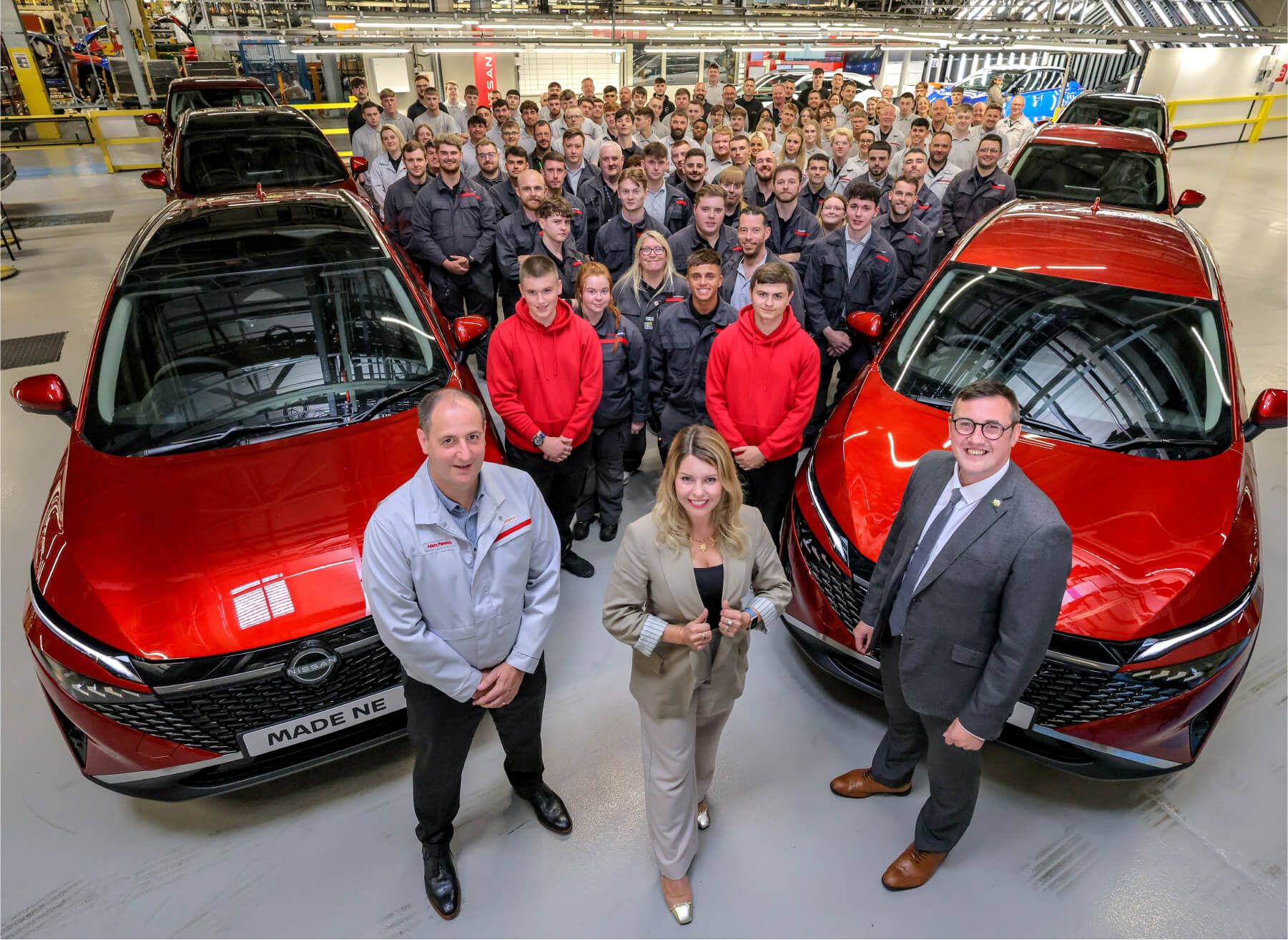

Power of Employees
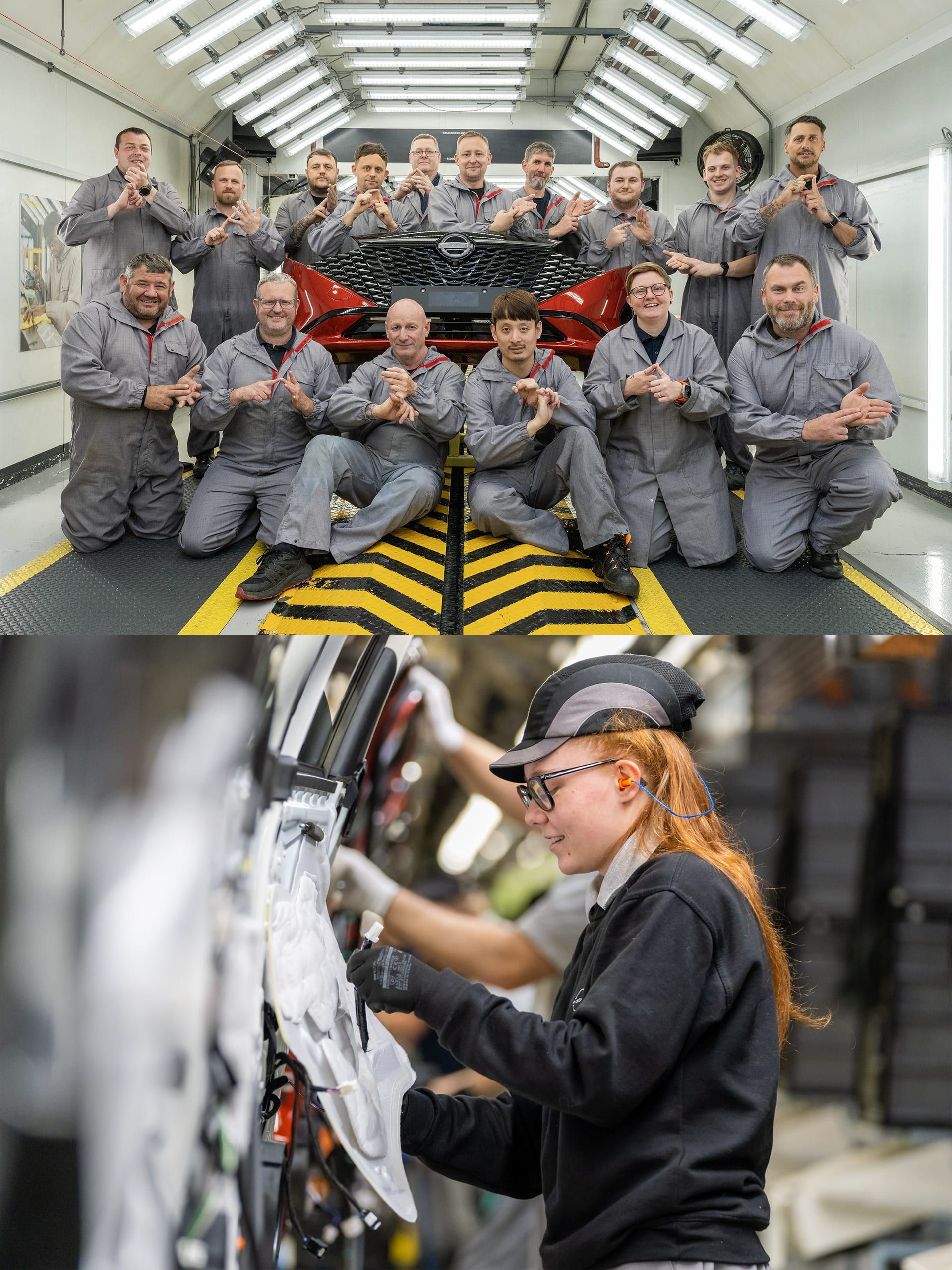
Accelerating DEI efforts and fostering a culture of belonging throughout the AMIEO business.
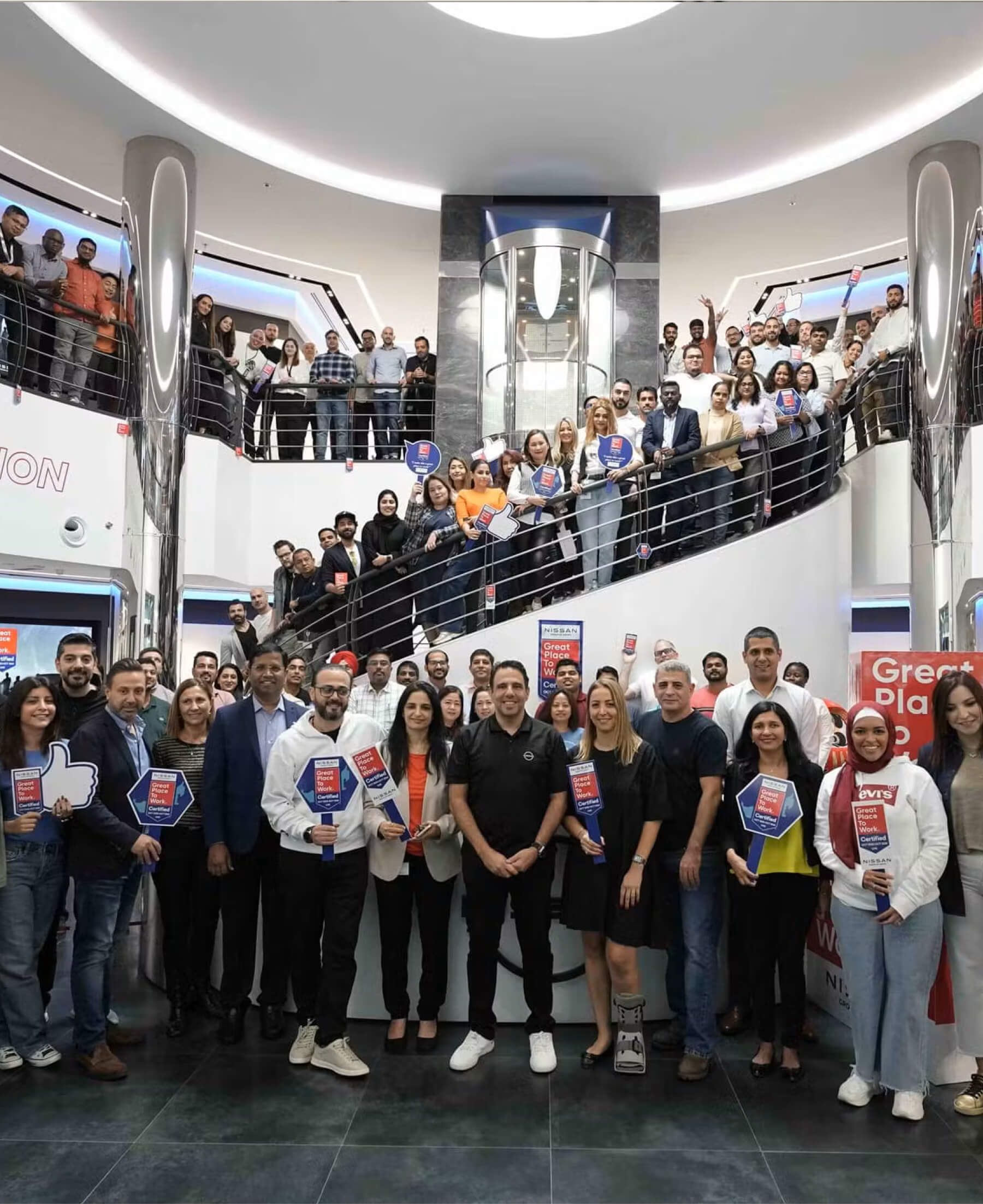
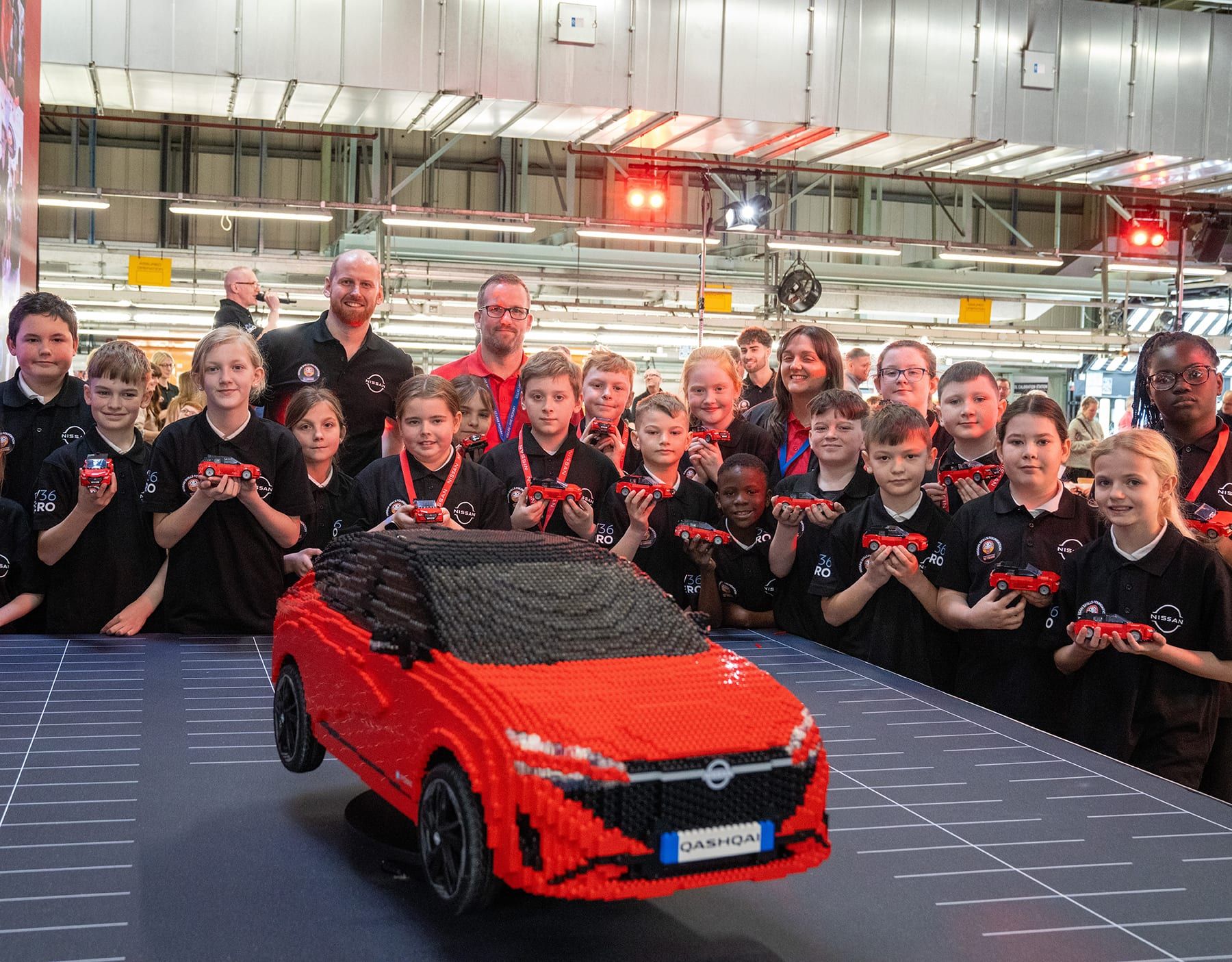
Inspiring the Future at Nissan: 10 Years of the Skills Foundation
Ten years. 100,000 students. More than 500 schools. And it all started with one workshop. Since 2014, the Nissan Skills Foundation has been transforming how students engage with science, technology, engineering, and maths. Step inside a Skills Foundation session and you’ll see students programming robots, tackling real-world engineering challenges, and bringing creative solutions to life. More than 65% of participants are girls aged 7–13, proving that STEM is for anyone with the curiosity to explore and create. And the impact goes beyond the classroom, with many former students now working at Nissan.
Find out more here
People
Championing Human Rights in our business and supply chains.

Safety and Quality
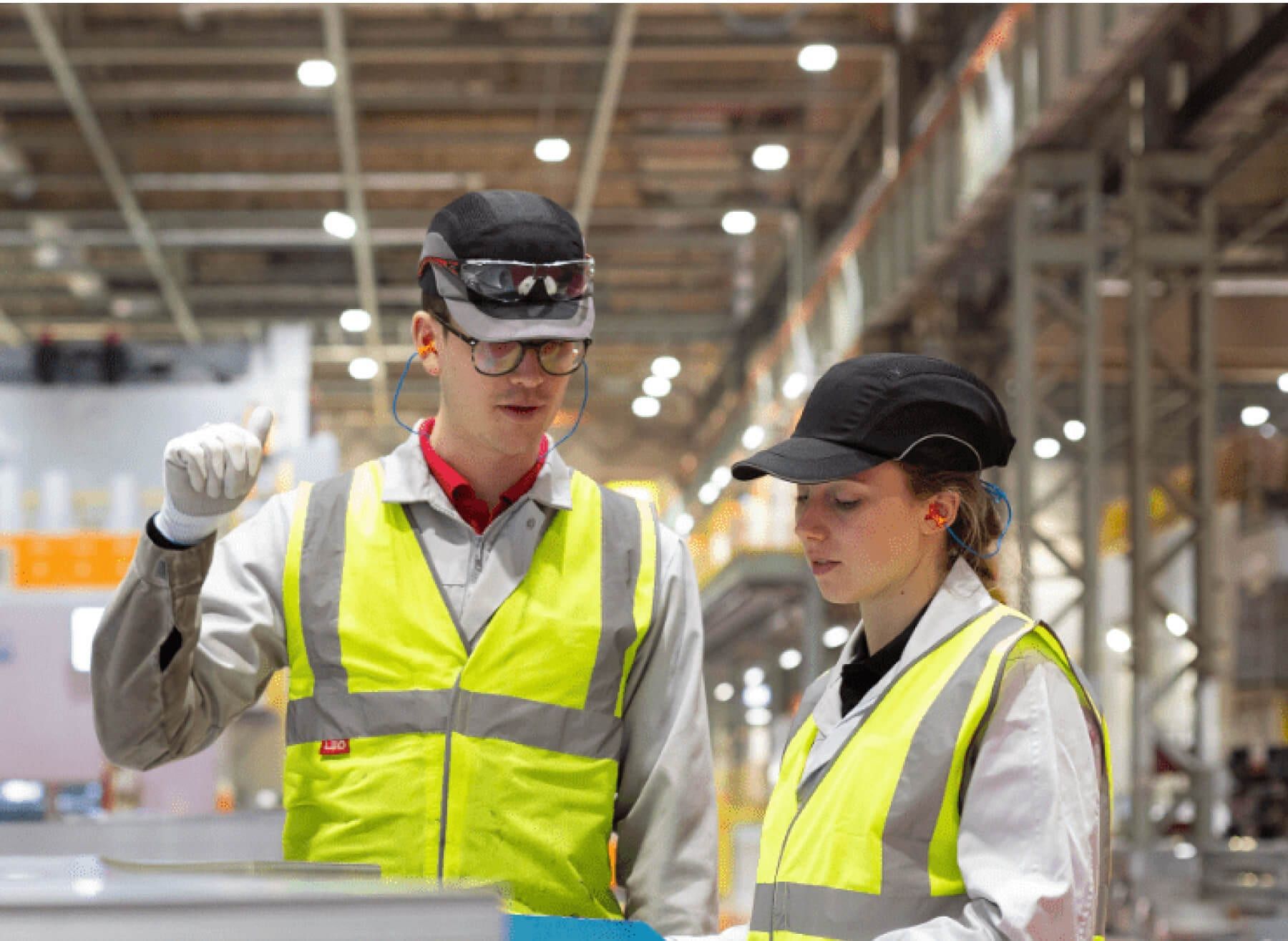
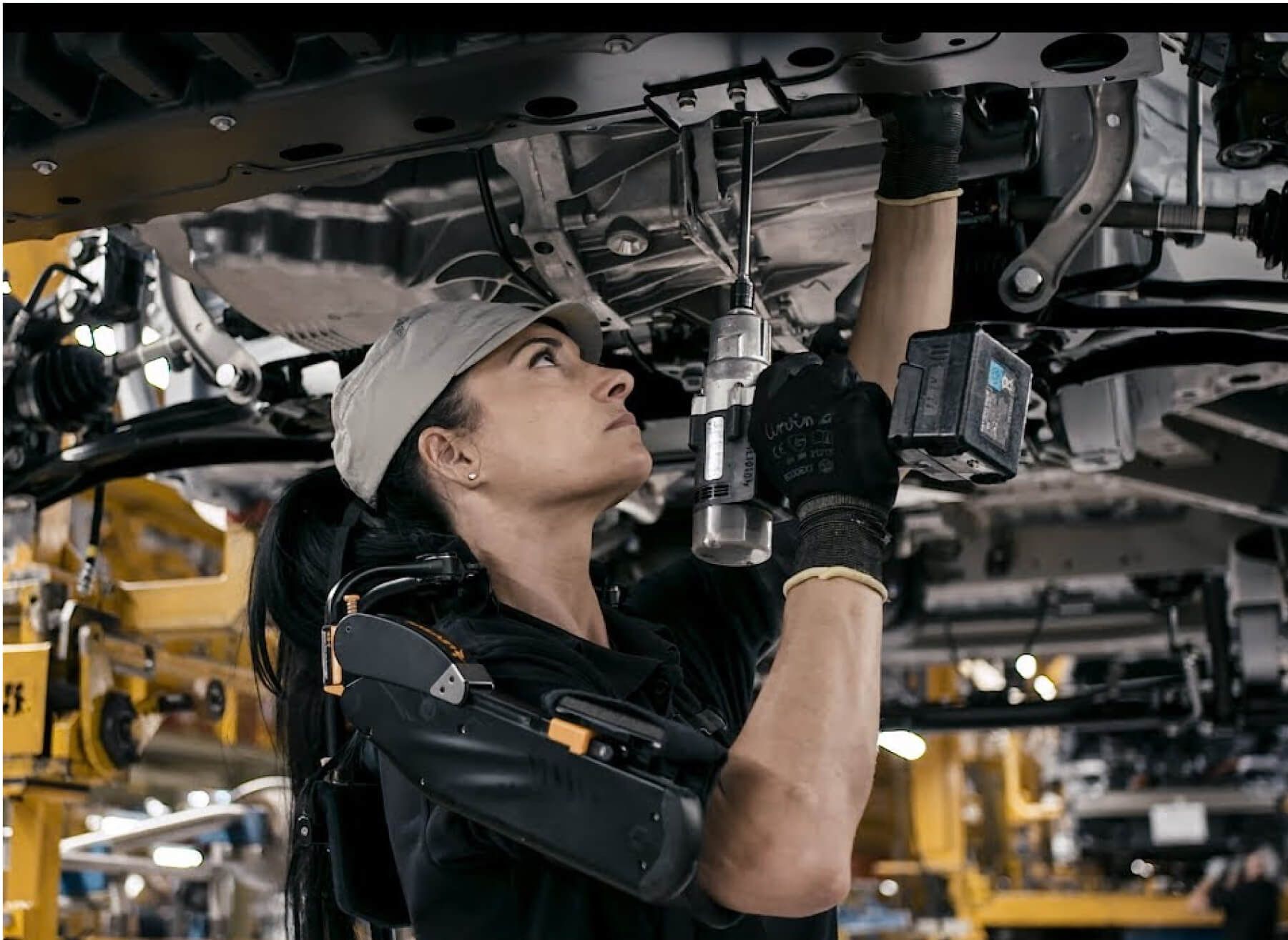
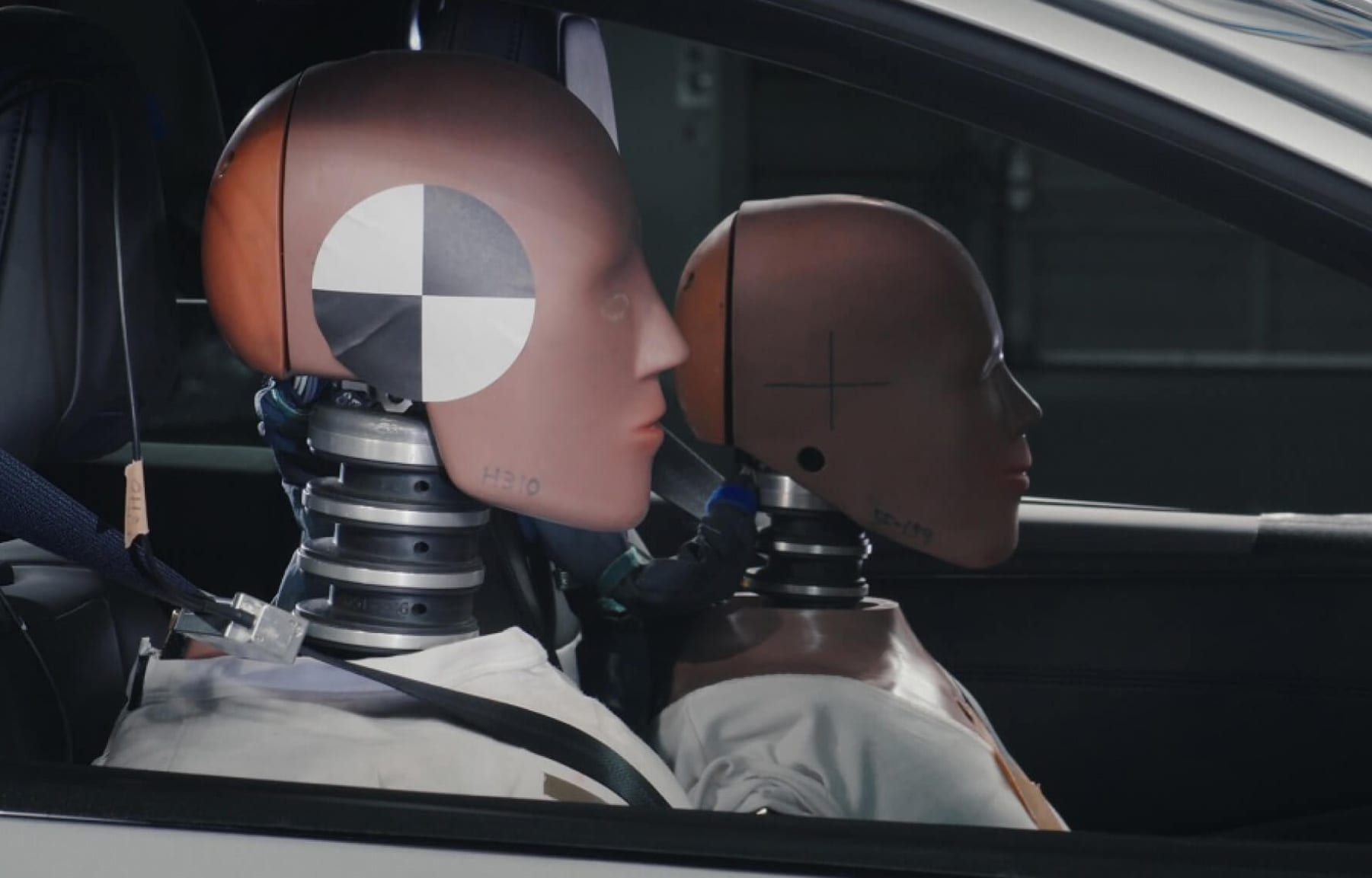
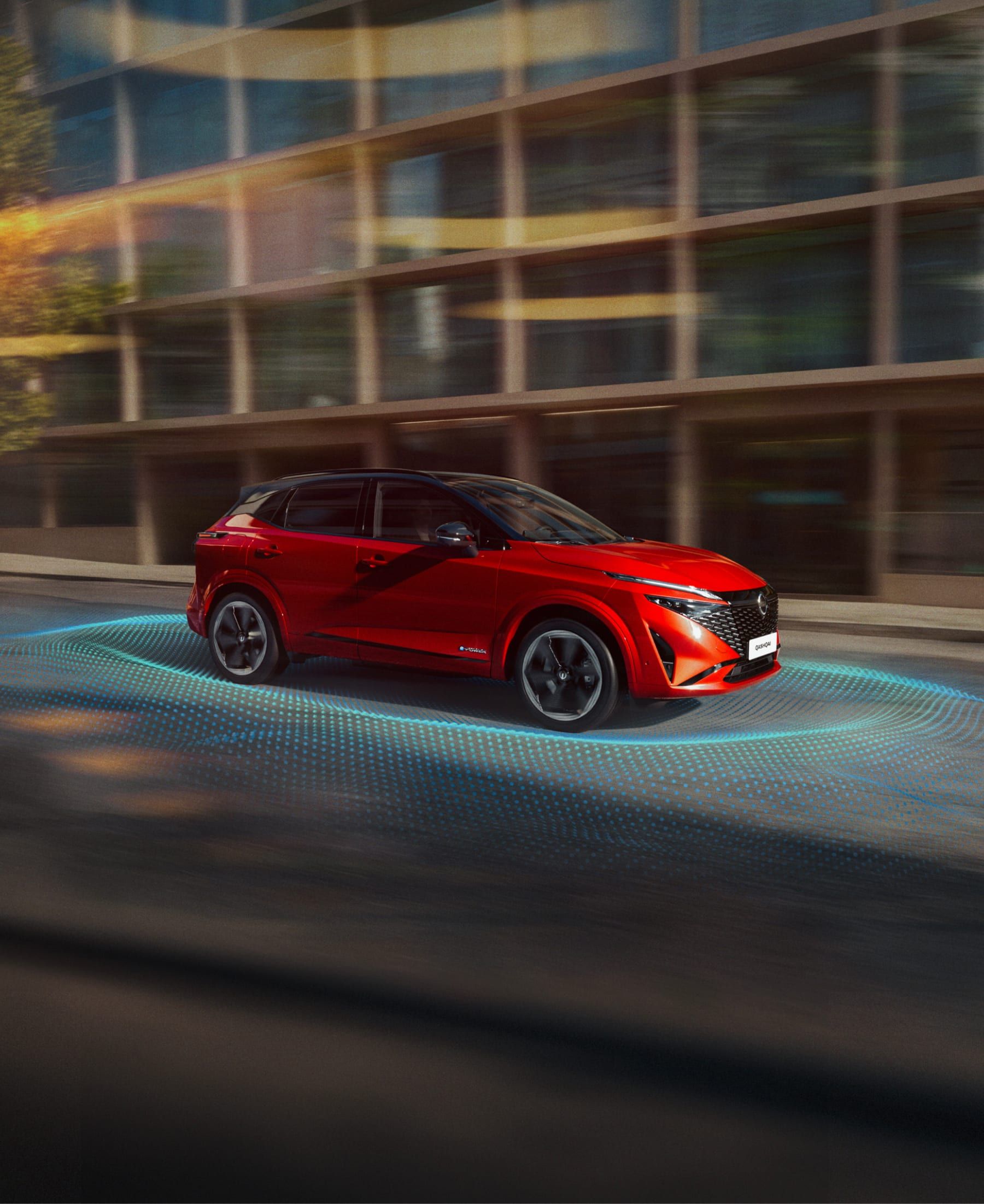
Creating safe, reliable, high-quality vehicles that contribute to a future with significantly reduced road accidents and the aim of zero fatalities.
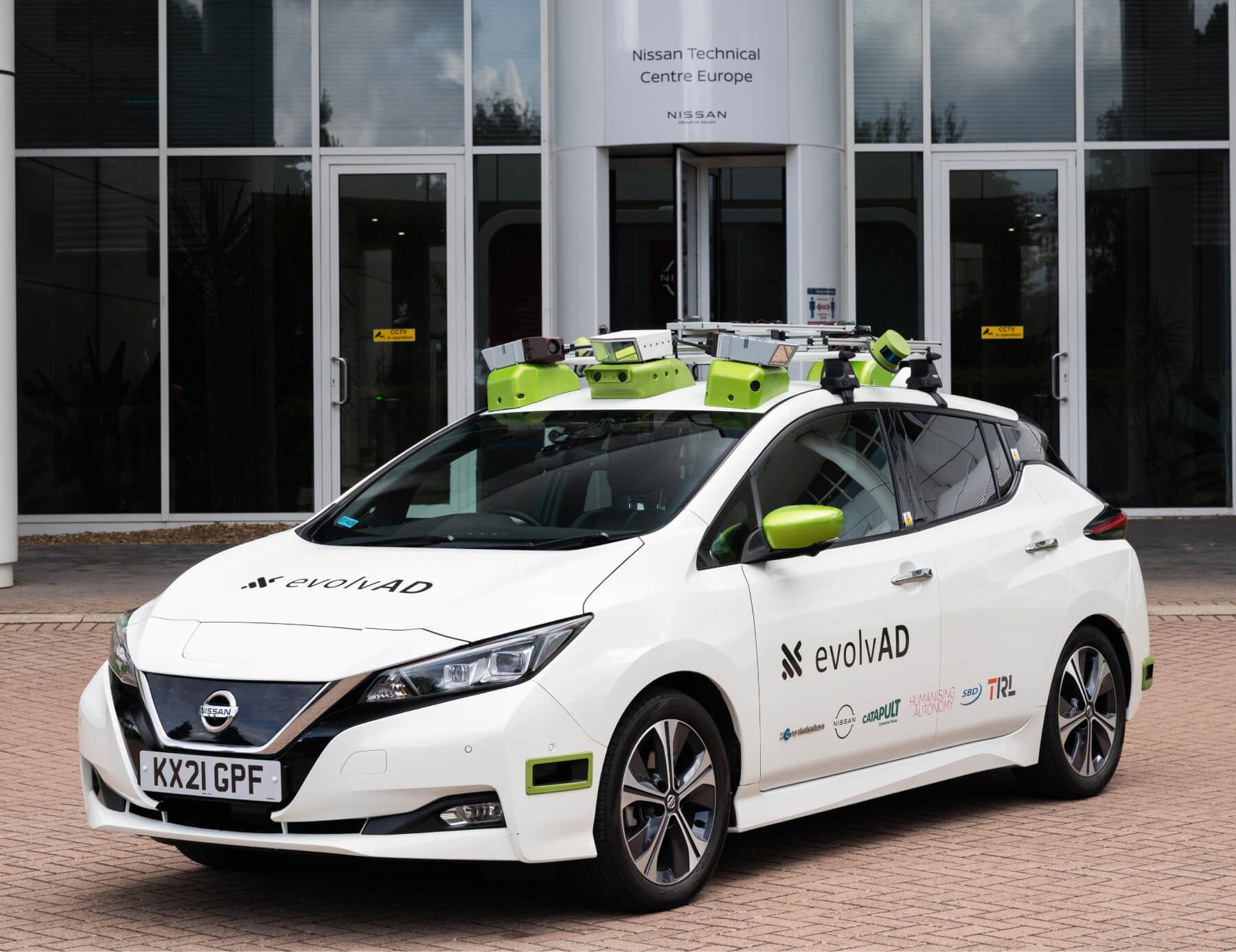
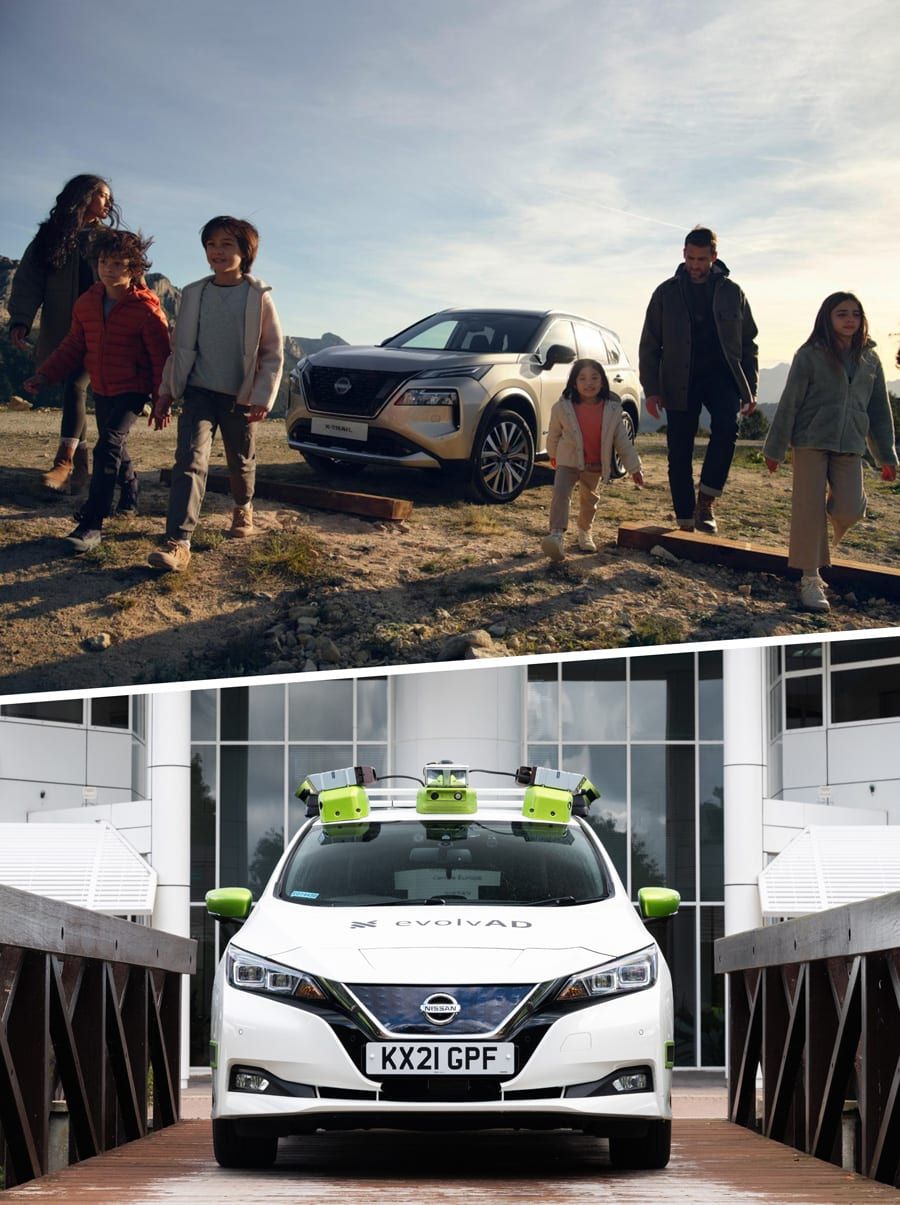
evolvAD: Nissan-backed autonomous drive research project
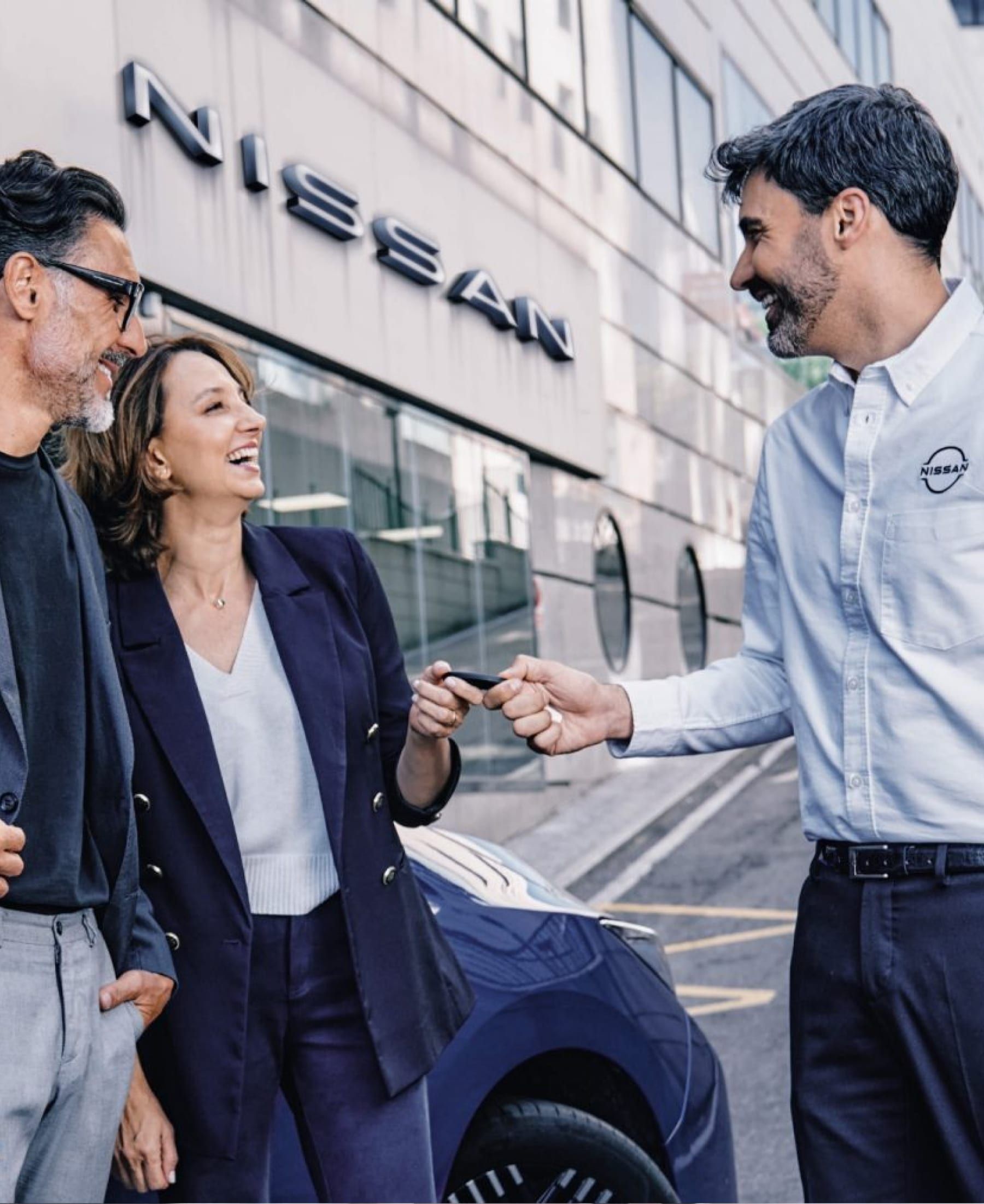
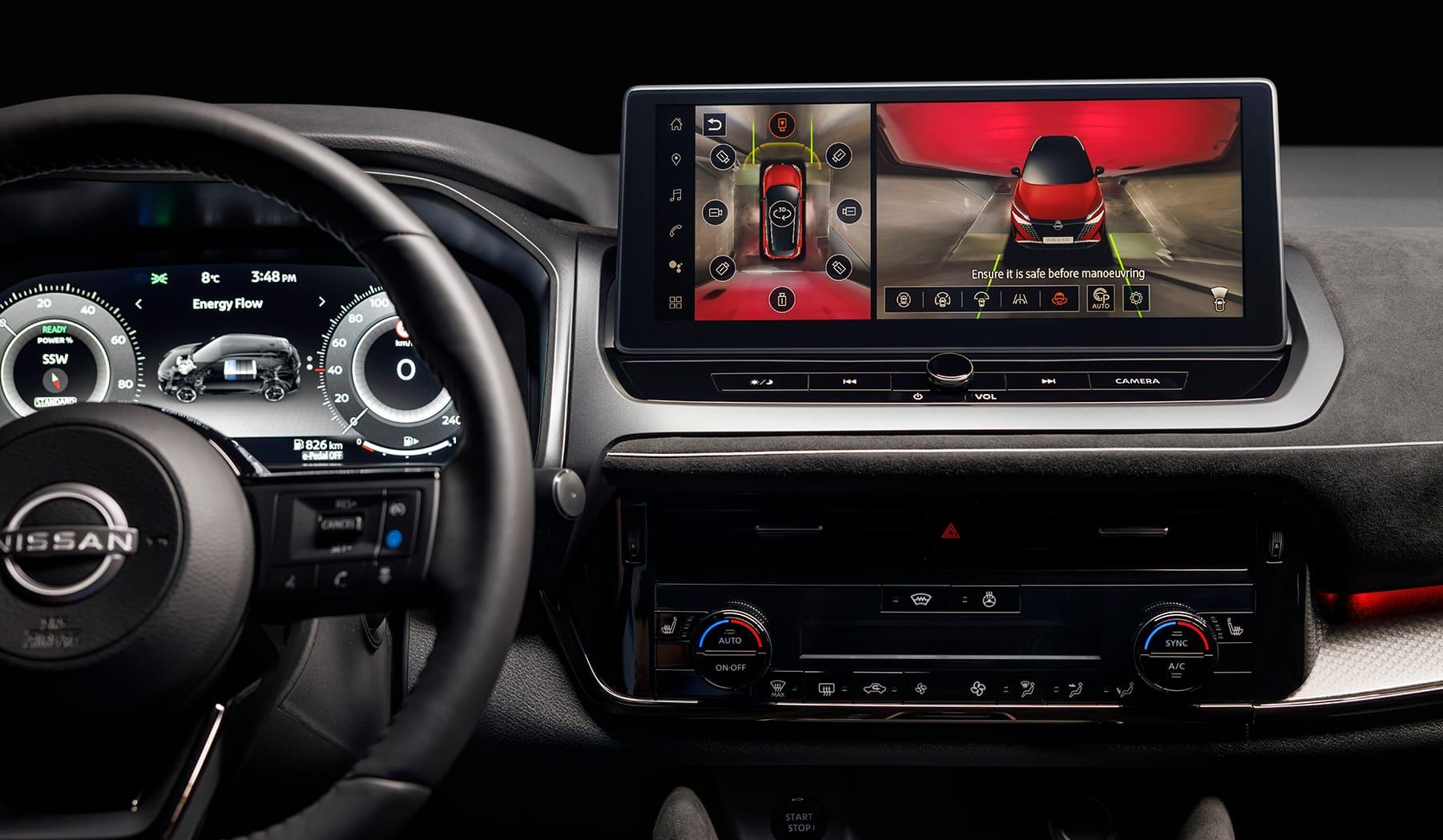
Through Nissan Ambition 2030 we want to empower mobility for everyone, and autonomous drive technologies are critical to this effort as they offer huge benefits in terms of vehicle safety, environmental impact and accessibility. evolvAD, our latest autonomous drive (AD) research project in the UK, is putting 100% electric Nissan LEAFs equipped with cutting-edge AD technology through their paces on urban residential and rural roads.
Click here to learn moreRelated Stories
-
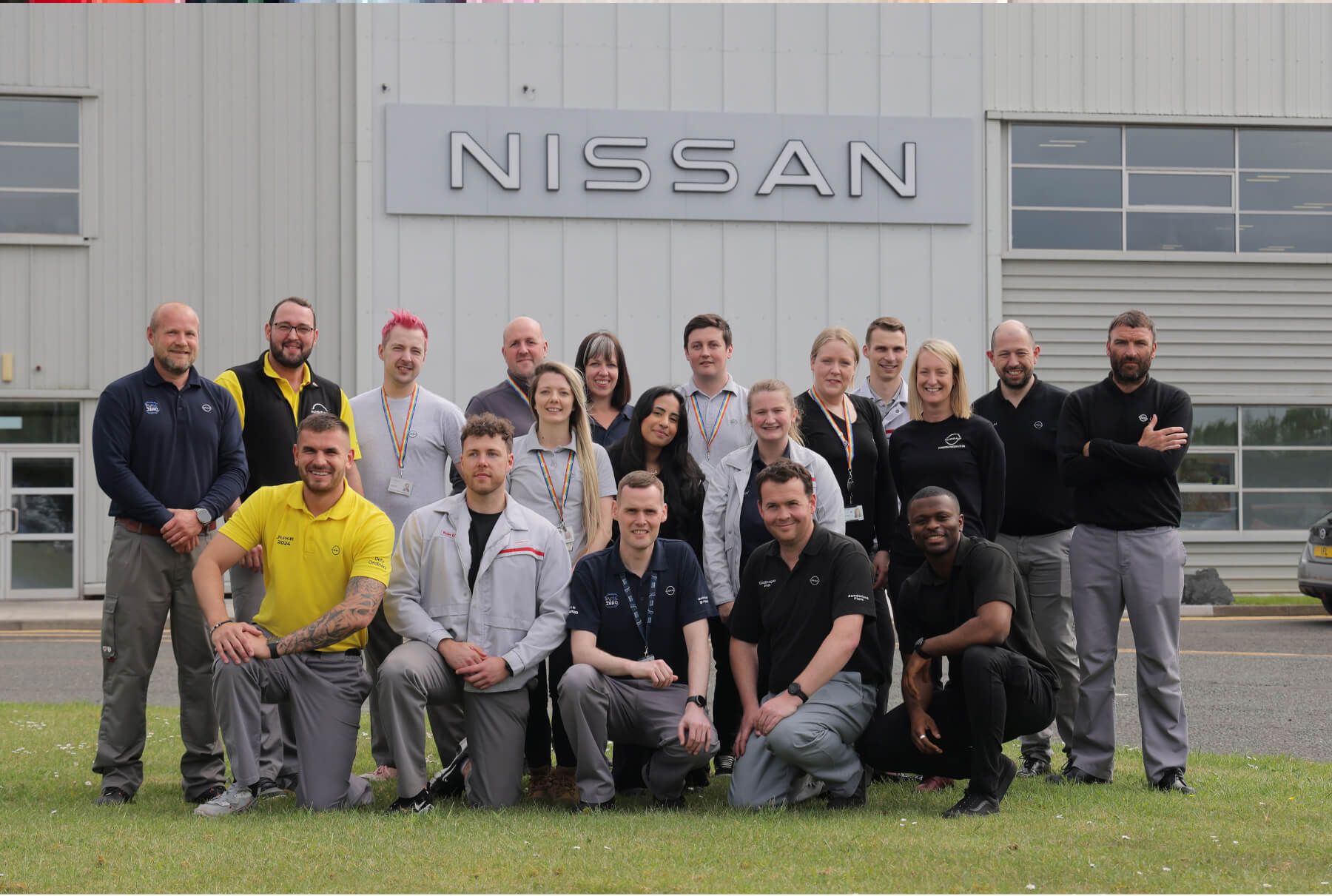
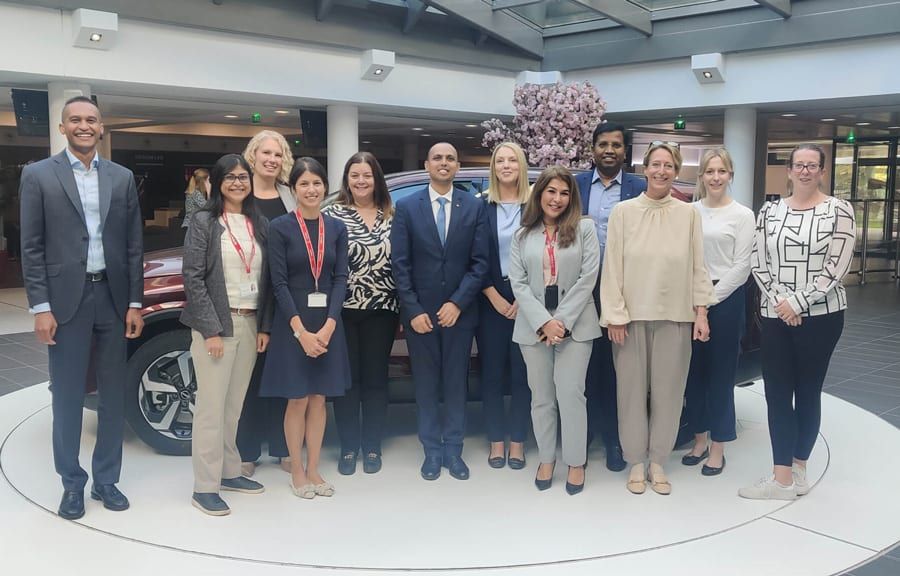
 Diversity, Equity & Inclusion (DEI) Click here to learn more
Through our DEI Council, manifesto and report, we are accelerating our DEI efforts to create an inclusive and fair organisation.
-
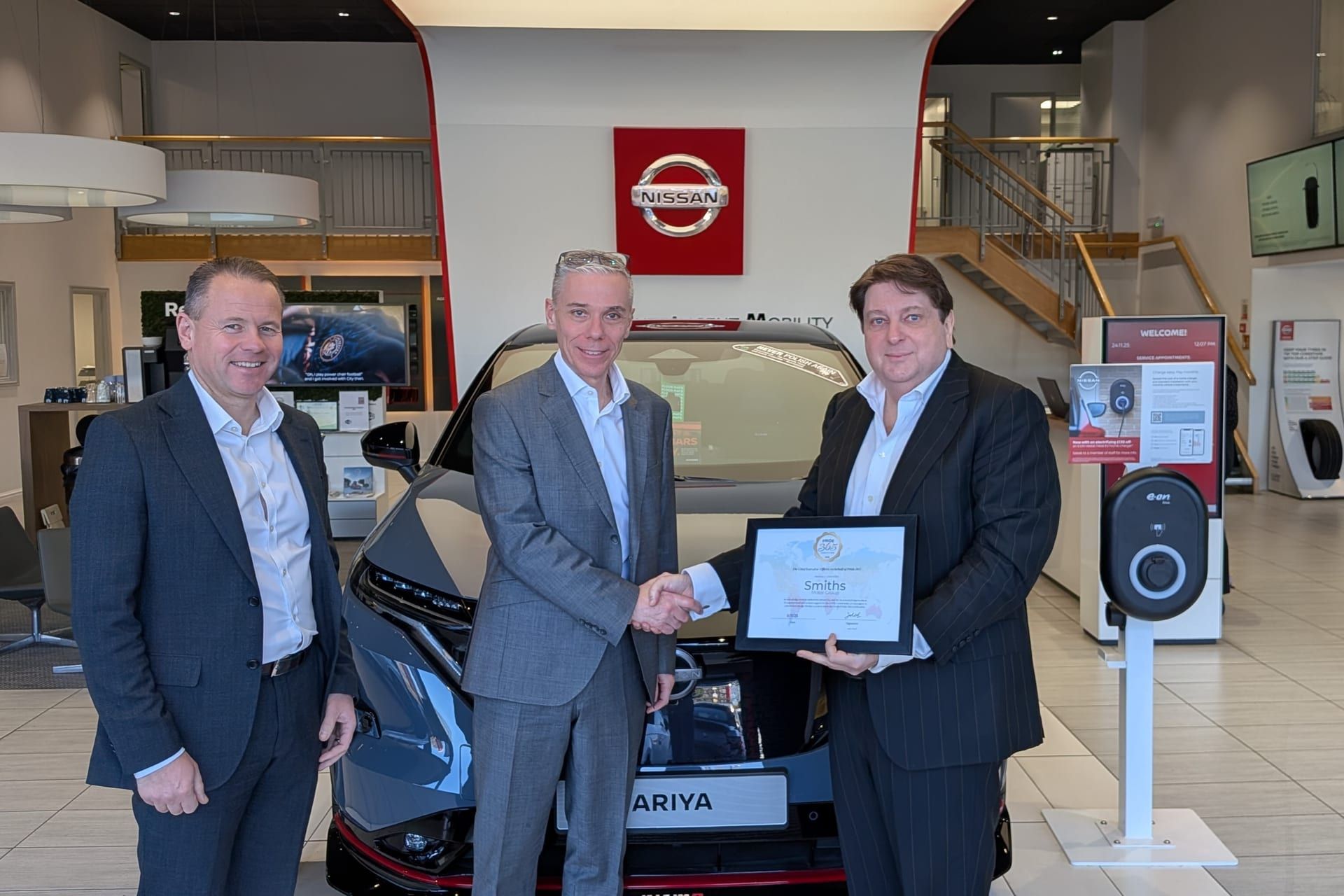 Nissan Dealer Groups Become First in the UK to Earn Pride365 Certification Click here to learn more
Eight Nissan dealerships have become the first automotive dealerships in the UK to achieve Pride365 Certification as part of a new pilot programme designed to ensure every customer or employee feels respected, welcomed, and valued.
-
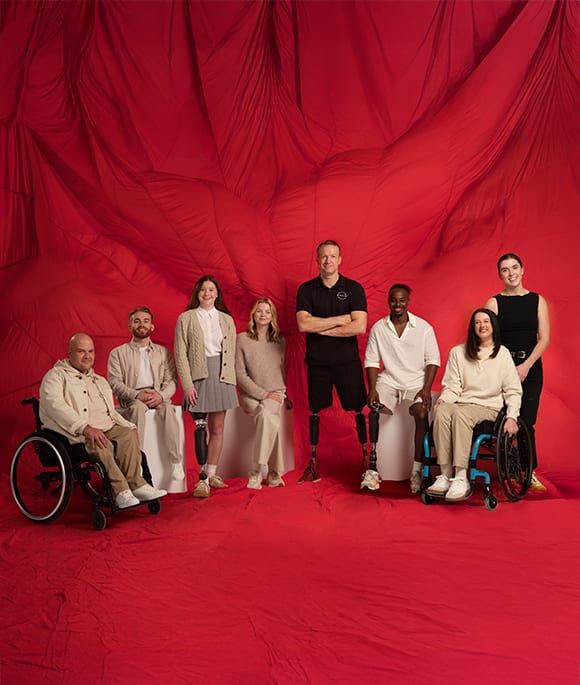 Nissan launches new Motability advertising campaign putting disabled people front and centre Click here to learn more
Nissan is redefining Motability advertising with a bold new campaign called “Own Your Style” that celebrates individuality and authenticity by showcasing real Motability customers and the Nissan vehicles that fit their lives.
-
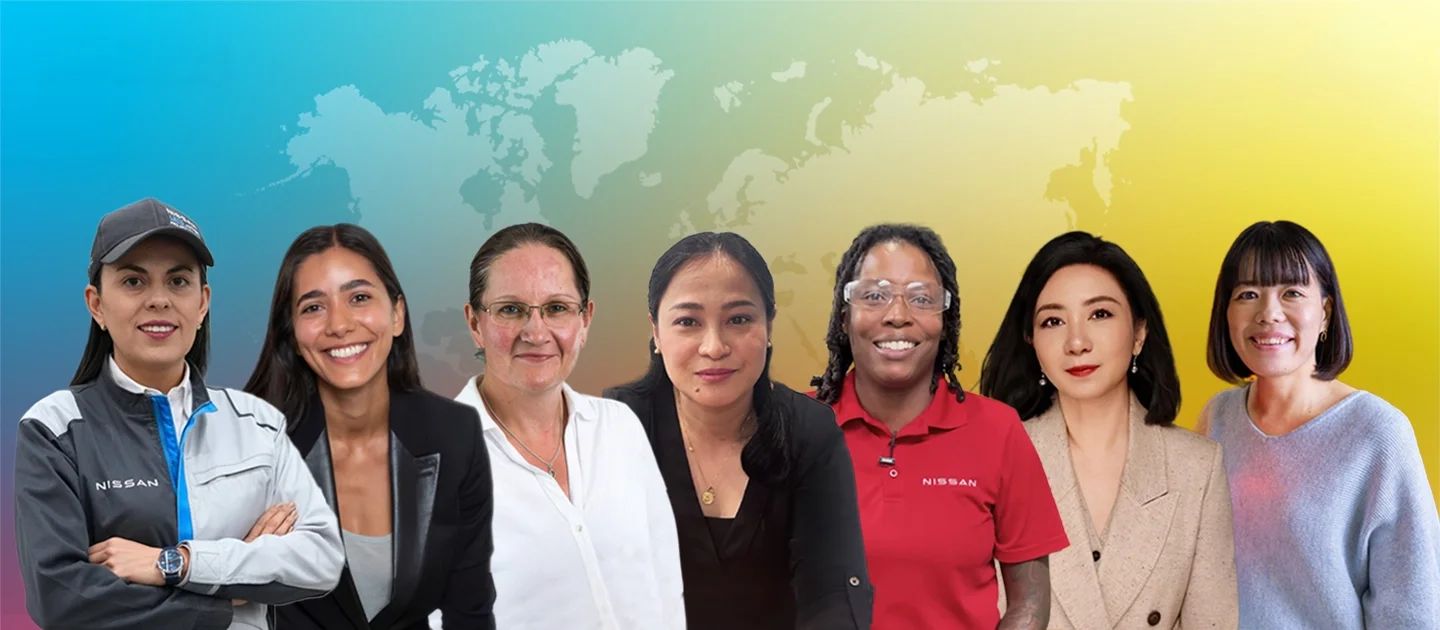 Driving Change: Meet the Women Powering Nissan's Transformation Click here to learn more
We’re spotlighting women making an impact on manufacturing lines and engineering labs to design studios, offices and workplaces worldwide.
-
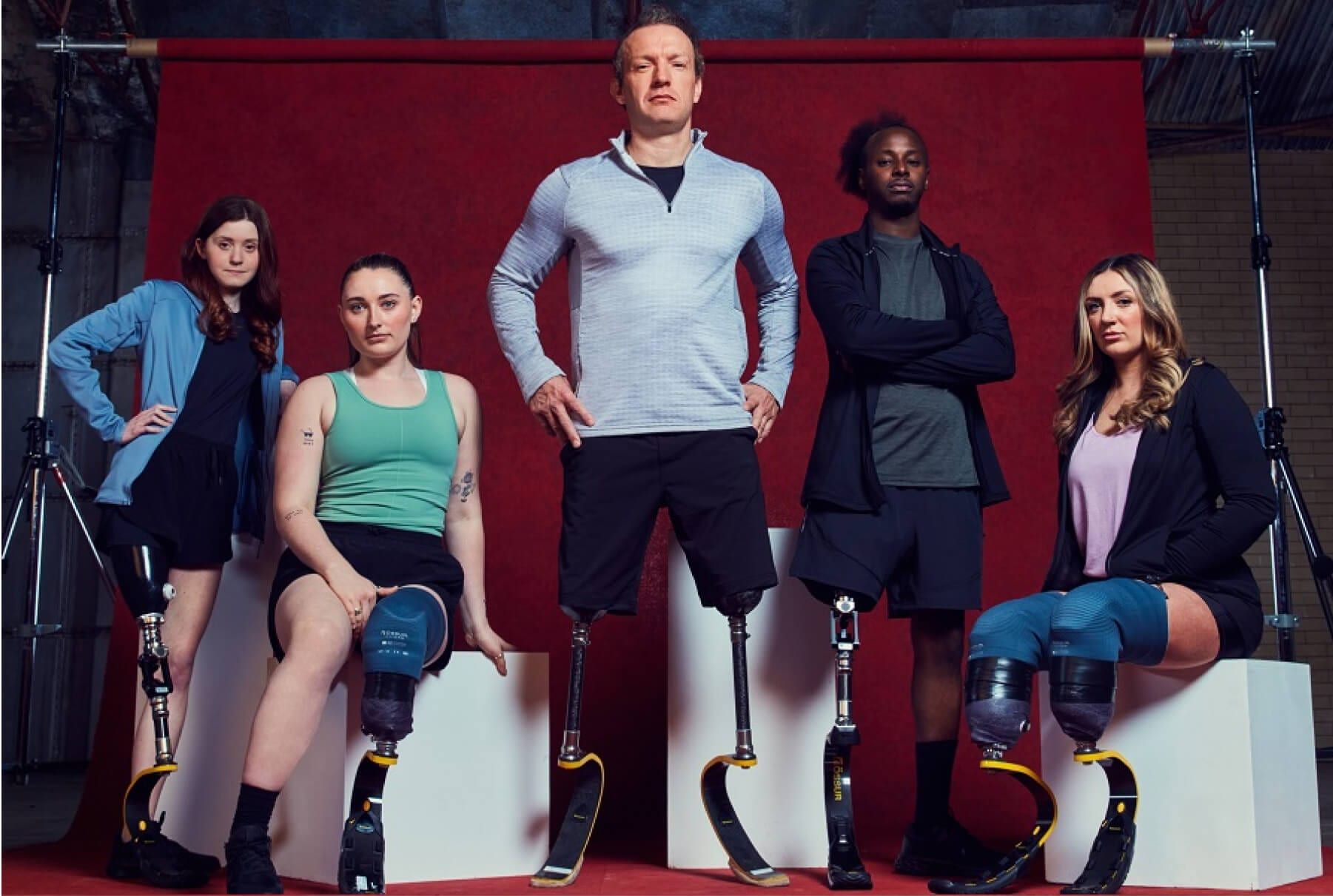 Possibilities Project Click here to learn more
We’ve teamed up with the Richard Whitehead Foundation and Sported UK to support disabled individuals across the UK in accessing sports activities.
-
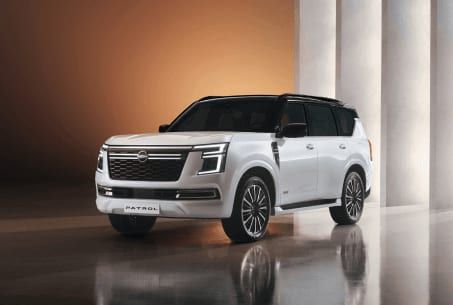 Nissan ProPILOT: Advanced Safety and Next-Gen Connectivity Click here to learn more
The All-New Nissan Patrol introduces several groundbreaking advancements – including the debut of ProPILOT Assist alongside a wave of other safety features.
-
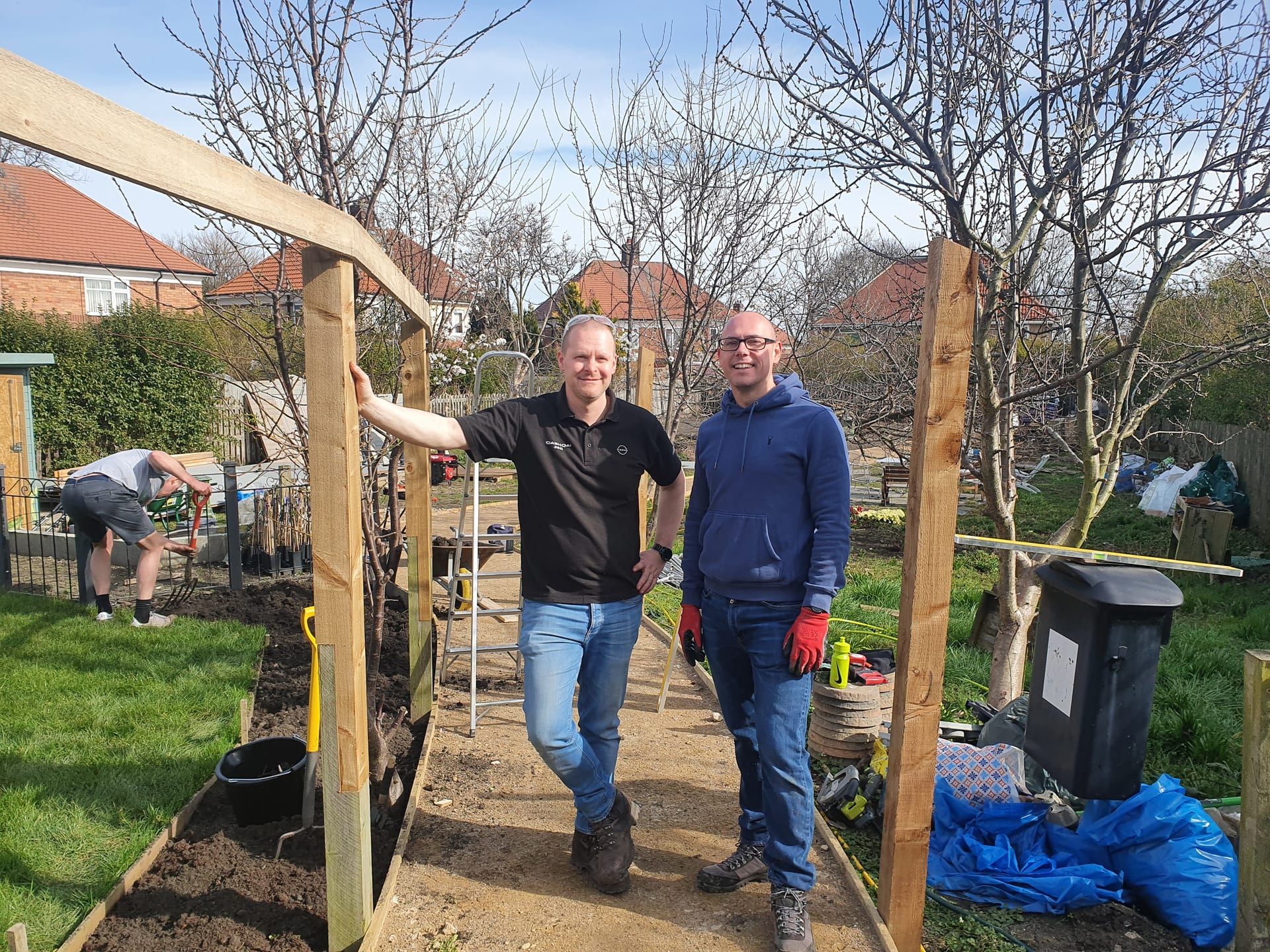
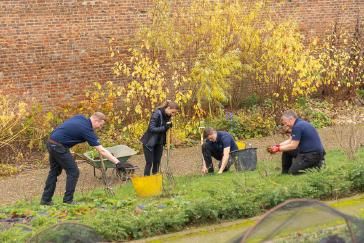 Building More Than Great Cars: Nissan Team Share Skills with Community Through Volunteering Initiative Click here to learn more
With world class talent in manufacturing, supply chain management, and business efficiency, the team at Nissan Sunderland Plant a put their skills to a different use, dedicating more than 3,000 hours to volunteering for good causes to give back to the community where they operate.
-
 Nissan debuts 'Defy Ordinary' campaign honoring exceptional individuals in the Middle East Click here to learn more
A campaign designed to celebrate remarkable members of the Middle East team who have redefinied the limits in their respective fields, challenging the status quo and daring to defy ordinary.
-
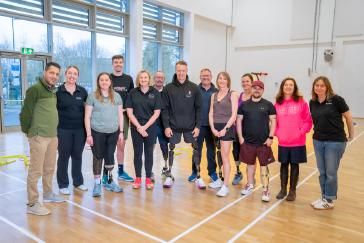 The Richard Whitehead Foundation Beneficiaries Programme launches its ‘Class of 2025’ with support from the Nissan Possibilities Project Click here to learn more
We continue to support underrepresented communities through the Nissan Possibilities Project making excitement possible for all, working with Double Paralympic Gold Medalist and World Marathin Recold Holder Richard Whitehead MBE.
-
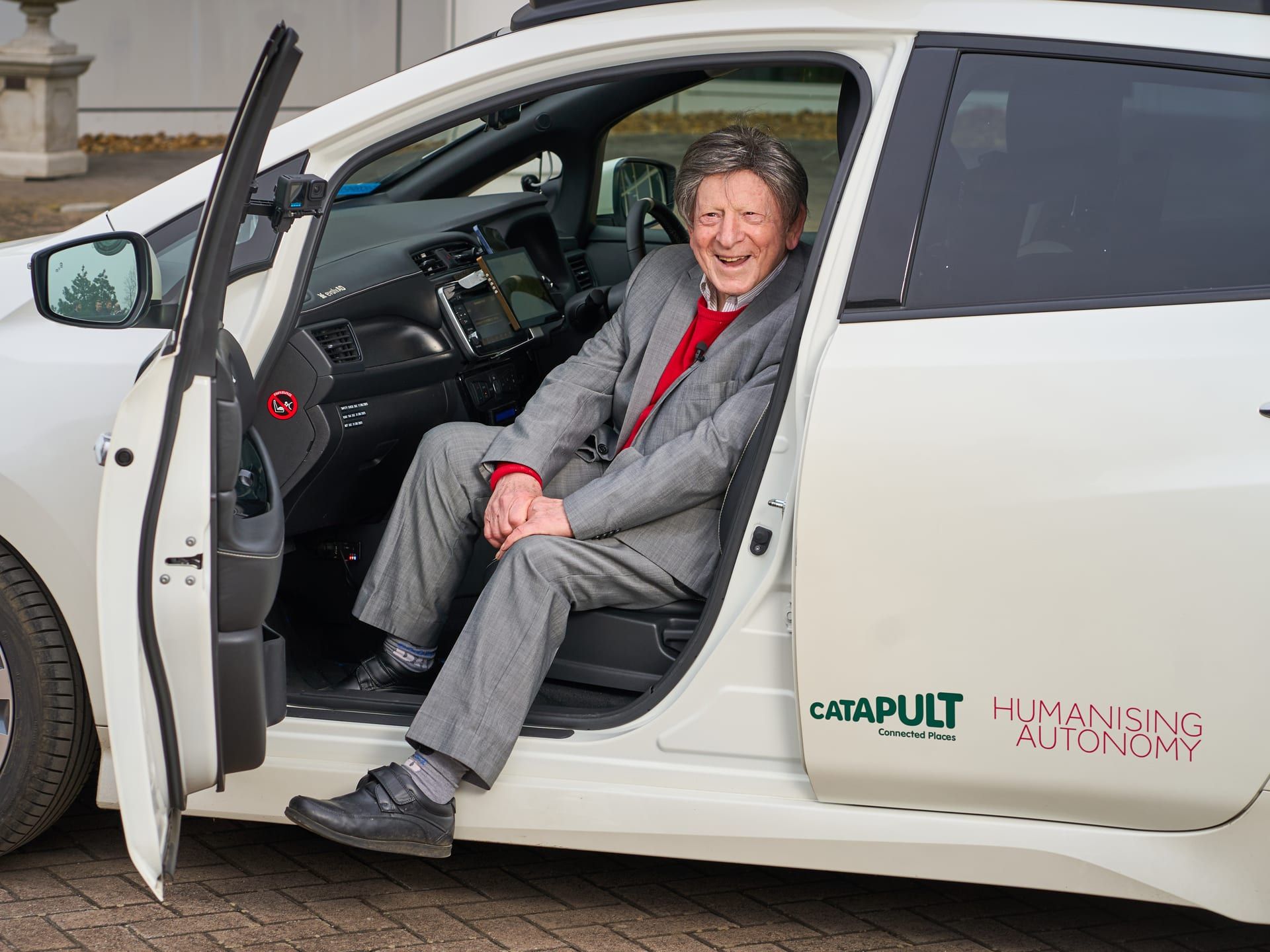
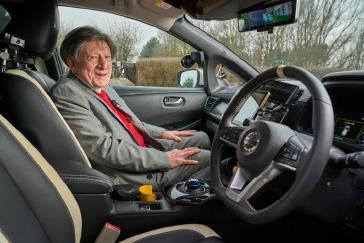 “This is the future of motoring!”, says Brad, 93, after a trip in a self-driving Nissan Click here to learn more
The evolvAD project demonstrates real-world benefits by inviting Brad Ashton from Enfield to ride along rural roads in a fully autonomous vehicle, demonstrating how AD has the potential to keep older motorists mobile and independent later in life.
